How To Find The Best Performing Assets Right Now
Understanding Asset Performance
In the ever-evolving landscape of finance and investment, identifying the best performing assets is crucial for maximizing returns and minimizing risks. Whether you’re a seasoned investor or just starting, understanding what constitutes a high-performing asset is the first step towards making informed decisions. Performance can be measured through various indicators, including price appreciation, dividend yields, and overall market demand.
Utilizing Financial Tools and Resources
To effectively find the best performing assets, leverage various financial tools and resources available today. Platforms like Bloomberg, Yahoo Finance, and Morningstar provide comprehensive market analysis and performance metrics. These tools can help you track asset performance over different time frames, assess historical trends, and compare similar assets within the same category. Additionally, consider subscribing to financial news outlets and market analysis newsletters that offer insights and recommendations from industry experts.
Researching Market Trends and Indicators
Staying informed about current market trends is essential when searching for the best performing assets. Economic indicators such as employment rates, inflation, and interest rates can significantly affect asset performance. Moreover, keeping an eye on sector-specific news, such as technological advancements or regulatory changes, can provide insights into which industries are likely to thrive. Utilizing social media platforms and investment forums can also yield valuable information from other investors who share their experiences and strategies.
Diversifying Your Portfolio
While it’s tempting to focus solely on the highest performing assets, diversification remains a key strategy for long-term success. Spreading investments across various asset classes—such as stocks, bonds, real estate, and commodities—can help mitigate risks associated with market volatility. Consider allocating a portion of your portfolio to emerging markets or alternative investments, which may offer higher returns compared to traditional assets. This balanced approach ensures that even if some assets underperform, others can compensate for potential losses.
Conclusion
Finding the best performing assets requires a combination of thorough research, strategic planning, and a willingness to adapt to changing market conditions. By utilizing financial tools, staying informed about market trends, and diversifying your portfolio, you can position yourself for greater investment success. Remember, informed decisions based on reliable data can lead to significant financial rewards. Start your journey towards identifying the best assets today—get more insights here and take control of your financial future.
Related Content

Beste Wasmachines En Drogers Voor Senioren In Nederland 2025 – Bekijk De Lijst
Visit Link
Guía De Precios Del Libro Azul 2025 Para Autos Usados En México
Visit Link
Learn About The Best Investments for 2026
Visit Link
Learn What To Invest In For 2026
Visit Link
Learn Top Investment Ideas For 2026
Visit Link
Learn Smart Investment Options for 2026
Visit Link
Learn Where To Invest In 2026
Visit Link
Learn About The Best Investments for 2026
Visit Link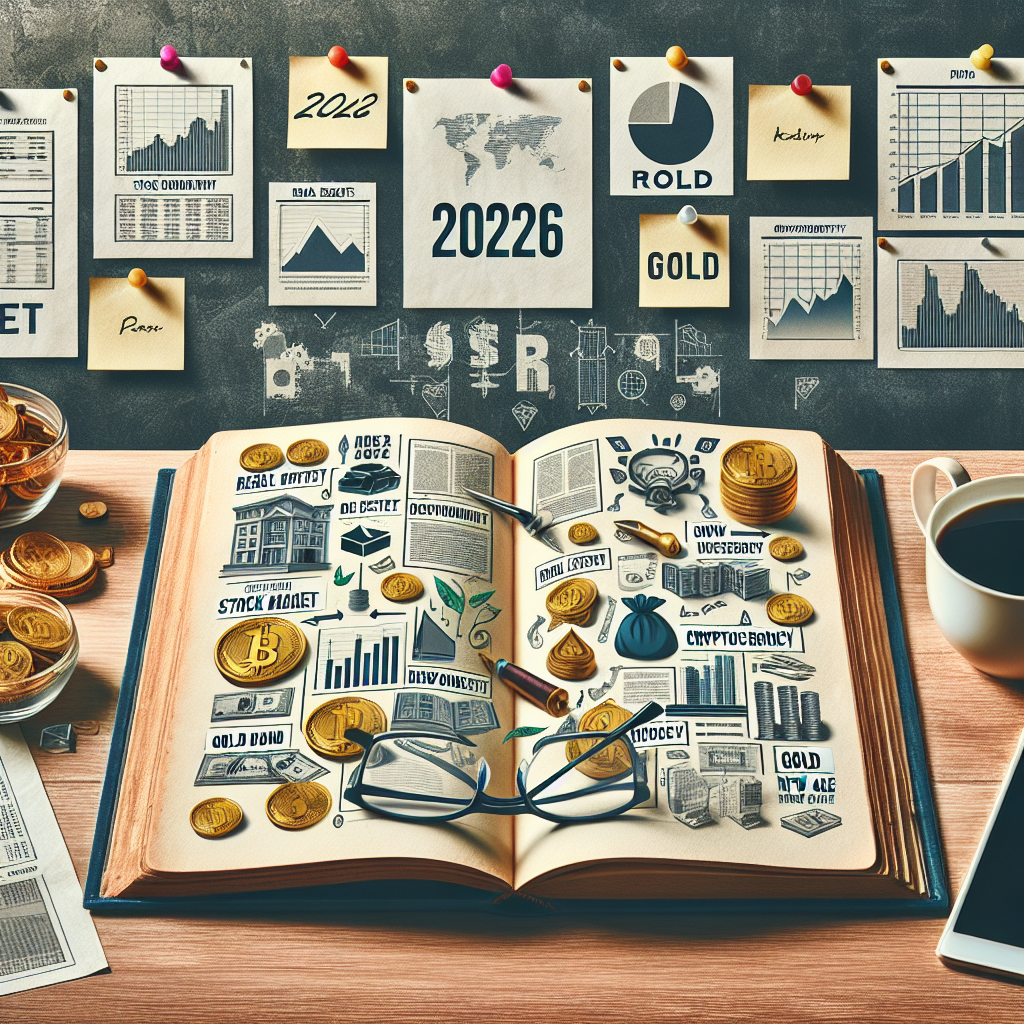
Learn What To Invest In For 2026
Visit Link
Learn Top Investment Ideas For 2026
Visit Link
Learn Smart Investment Options for 2026
Visit Link
Learn Where To Invest In 2026
Visit Link
Learn How To Build Wealth With Real Estate
Visit Link
Unlocking Financial Freedom: Learn Real Estate Wealth Strategies
Visit Link
Learn How Real Estate Grows Wealth
Visit Link
Explore How To Build Wealth With Real Estate
Visit Link
Discover Real Estate Wealth Building
Visit Link
Learn How To Build Wealth With Real Estate
Visit Link
Unlocking Financial Freedom: Learn Real Estate Wealth Strategies
Visit Link
Learn How Real Estate Grows Wealth
Visit Link
Explore How To Build Wealth With Real Estate
Visit Link
Discover Real Estate Wealth Building
Visit Link
Learn How To Build Wealth With Property
Visit Link
How To Build Wealth With Real Estate
Visit Link
How To Invest In Real Estate And Grow Steady Wealth
Visit Link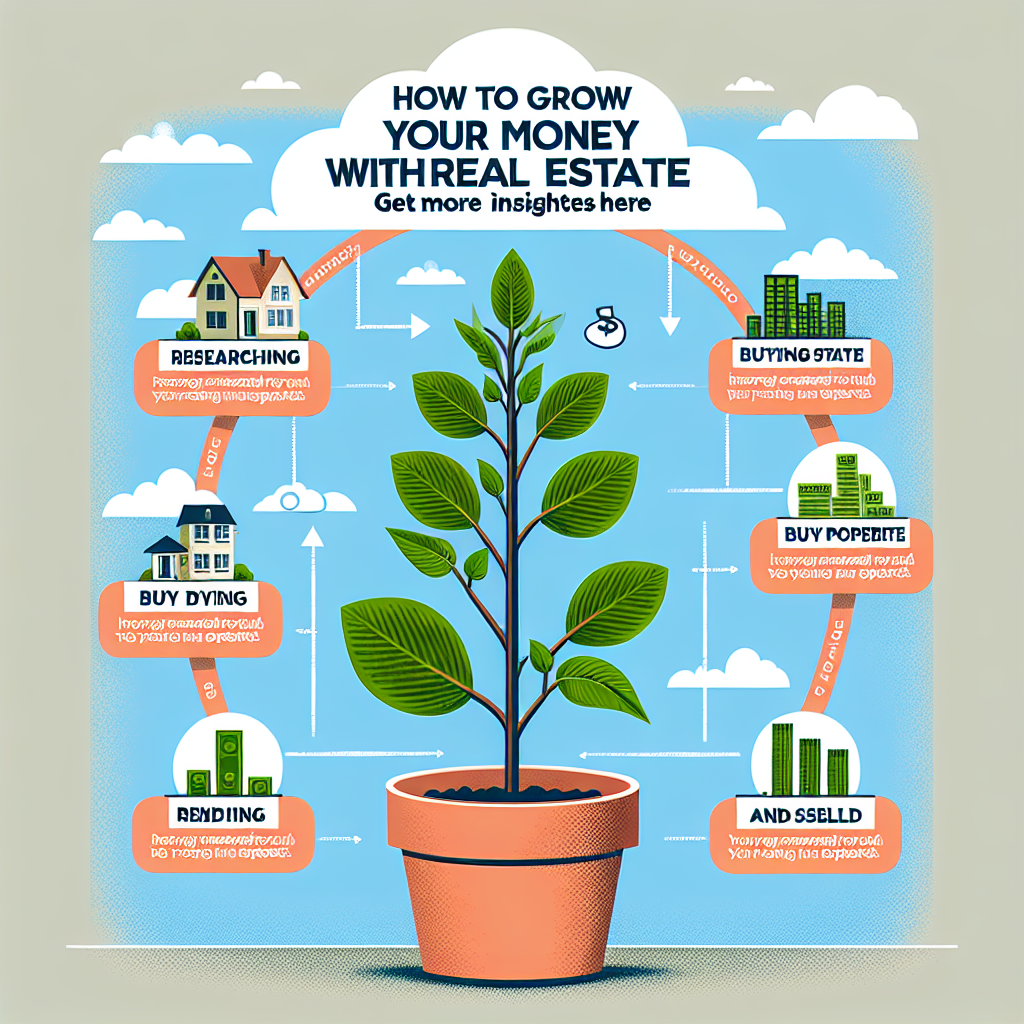
How To Grow Your Money With Real Estate
Visit Link
Learn How To Build Wealth With Property
Visit Link
How To Build Wealth With Real Estate
Visit Link
How To Invest In Real Estate And Grow Steady Wealth
Visit Link