How To Invest In Real Estate And Grow Steady Wealth
Understanding Real Estate Investment
Investing in real estate can be a lucrative way to build wealth over time. Unlike traditional savings accounts or stock investments, real estate provides tangible assets that can appreciate in value, generate rental income, and offer tax benefits. The key to successful real estate investment lies in understanding the market, choosing the right property, and managing your investment effectively.
Getting Started with Real Estate Investing
Before diving into real estate, it’s essential to do your research. Start by educating yourself about the different types of real estate investments available, such as residential, commercial, and industrial properties. Each category has its own risks and rewards, so it’s crucial to align your investment strategy with your financial goals and risk tolerance.
Once you have a firm grasp of the market, consider your financing options. Many investors use a combination of savings and loans to fund their purchases. Understanding the terms of mortgages, interest rates, and the overall cost of borrowing will help you make informed decisions. Remember, your credit score will play a significant role in your ability to secure favorable financing, so ensure that it is healthy before applying for loans.
Building a Real Estate Portfolio
As you begin investing, consider starting small. Many successful real estate investors began with a single property, gradually building their portfolios over time. Focus on properties that have the potential for appreciation and positive cash flow. Look for areas with strong rental demand, good schools, and economic growth, as these factors can significantly impact property values.
Managing your real estate investments effectively is crucial for long-term success. This includes regular maintenance of properties, understanding market trends, and keeping an eye on your finances. Hiring a property management company can relieve some of the burdens of day-to-day management, allowing you to focus on expanding your portfolio. Additionally, consider networking with other investors to share insights and strategies, which can provide valuable support and information as you grow your wealth.
The Benefits of Real Estate Investment
One of the most appealing aspects of real estate investment is the potential for steady, passive income. Rental properties generate cash flow that can be reinvested or used to cover expenses, providing financial security and stability. Furthermore, real estate often appreciates over time, allowing investors to build equity that can be tapped into for future investments or retirement needs.
Tax advantages are another significant benefit of real estate investing. Many expenses associated with property management, such as mortgage interest, property taxes, and maintenance costs, can be deducted from your taxable income. This can lead to substantial savings and enhance your overall return on investment.
Conclusion
Investing in real estate is not just about purchasing property; it’s about building a strategy that leads to sustained wealth over time. By educating yourself, starting small, and effectively managing your investments, you can create a successful real estate portfolio that provides financial security and growth. Whether you’re a seasoned investor or a newcomer to the field, the right approach can lead to significant rewards in the real estate market.
Related Content

Beste Wasmachines En Drogers Voor Senioren In Nederland 2025 – Bekijk De Lijst
Visit Link
Guía De Precios Del Libro Azul 2025 Para Autos Usados En México
Visit Link
Learn About The Best Investments for 2026
Visit Link
Learn What To Invest In For 2026
Visit Link
Learn Top Investment Ideas For 2026
Visit Link
Learn Smart Investment Options for 2026
Visit Link
Learn Where To Invest In 2026
Visit Link
Learn About The Best Investments for 2026
Visit Link
Learn What To Invest In For 2026
Visit Link
Learn Top Investment Ideas For 2026
Visit Link
Learn Smart Investment Options for 2026
Visit Link
Learn Where To Invest In 2026
Visit Link
Learn How To Build Wealth With Real Estate
Visit Link
Unlocking Financial Freedom: Learn Real Estate Wealth Strategies
Visit Link
Learn How Real Estate Grows Wealth
Visit Link
Explore How To Build Wealth With Real Estate
Visit Link
Discover Real Estate Wealth Building
Visit Link
Learn How To Build Wealth With Real Estate
Visit Link
Unlocking Financial Freedom: Learn Real Estate Wealth Strategies
Visit Link
Learn How Real Estate Grows Wealth
Visit Link
Explore How To Build Wealth With Real Estate
Visit Link
Discover Real Estate Wealth Building
Visit Link
Learn How To Build Wealth With Property
Visit Link
How To Build Wealth With Real Estate
Visit Link
How To Invest In Real Estate And Grow Steady Wealth
Visit Link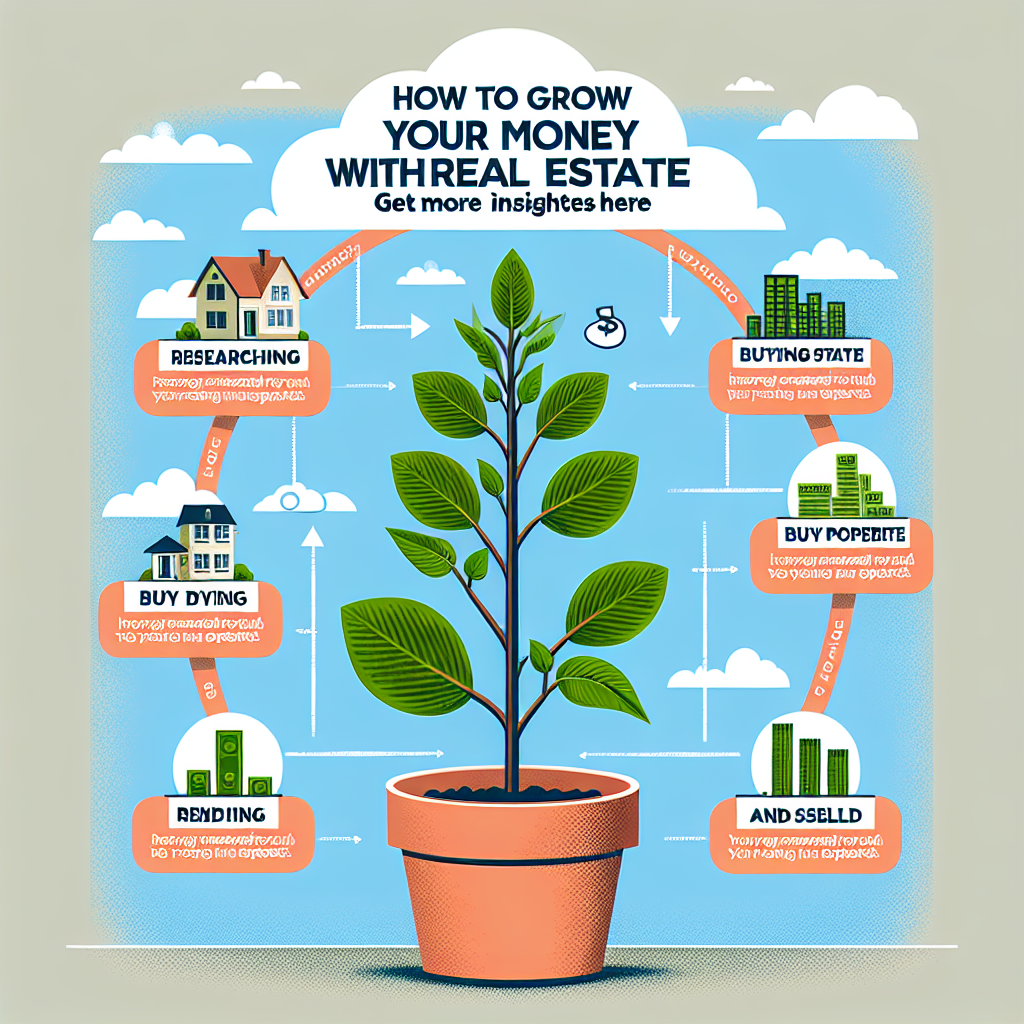
How To Grow Your Money With Real Estate
Visit Link
Learn How To Build Wealth With Property
Visit Link
How To Build Wealth With Real Estate
Visit Link
How To Invest In Real Estate And Grow Steady Wealth
Visit Link