How To Invest In Real Estate And Grow Steady Wealth
Understanding the Basics of Real Estate Investment
Investing in real estate is a time-tested strategy for building wealth. It involves purchasing properties—be it residential, commercial, or industrial—with the expectation that they will appreciate in value over time, generating income through rental or resale. The real estate market can be complex, but understanding its foundational elements is crucial for successful investing.
One of the first steps in real estate investment is to conduct thorough research. Understanding local market trends, property values, and neighborhood dynamics can significantly impact your investment decisions. Additionally, familiarize yourself with different types of real estate investments, such as single-family homes, multi-unit dwellings, and commercial properties, to determine which aligns best with your financial goals.
Strategies for Successful Real Estate Investment
There are various strategies investors can employ to maximize their returns in real estate. One popular approach is the buy-and-hold strategy, where investors purchase properties and rent them out over a long period. This not only provides consistent rental income but also allows for property appreciation, leading to a substantial profit when sold.
Another strategy is house flipping, which involves buying properties at a lower price, renovating them, and selling them for a profit. While this method can yield quick returns, it requires a keen eye for potential and a solid understanding of renovation costs and real estate market conditions.
Regardless of the strategy you choose, it’s essential to have a well-defined financial plan. This includes assessing your budget, understanding your financing options, and considering the long-term implications of your investment choices. Working with a financial advisor or real estate expert can also provide valuable insights to help navigate the complexities of real estate investing.
Building Wealth Through Real Estate: Tips and Best Practices
To grow steady wealth through real estate, its important to approach your investments with a strategic mindset. Start by setting clear investment goals. Whether your aim is to generate passive income, build equity, or create a diversified portfolio, having a clear vision will guide your decision-making process.
Networking is another key aspect of successful real estate investing. Connecting with other investors, real estate agents, and property managers can provide you with valuable contacts and insights. Attend local real estate investment groups, workshops, and seminars to expand your knowledge and network.
Lastly, always conduct due diligence before making any investment. This includes property inspections, market analysis, and understanding the legal implications of your purchases. Being well-informed will help mitigate risks and increase your chances of achieving sustained growth in your real estate portfolio.
In conclusion, investing in real estate can be a rewarding avenue for building wealth, provided you approach it with careful planning and research. By understanding the basics, employing effective strategies, and following best practices, you can set yourself on a path to financial success through real estate investments. For further insights, explore additional resources and connect with professionals who can guide you in your investment journey.
Related Content

Beste Wasmachines En Drogers Voor Senioren In Nederland 2025 – Bekijk De Lijst
Visit Link
Guía De Precios Del Libro Azul 2025 Para Autos Usados En México
Visit Link
Learn About The Best Investments for 2026
Visit Link
Learn What To Invest In For 2026
Visit Link
Learn Top Investment Ideas For 2026
Visit Link
Learn Smart Investment Options for 2026
Visit Link
Learn Where To Invest In 2026
Visit Link
Learn About The Best Investments for 2026
Visit Link
Learn What To Invest In For 2026
Visit Link
Learn Top Investment Ideas For 2026
Visit Link
Learn Smart Investment Options for 2026
Visit Link
Learn Where To Invest In 2026
Visit Link
Learn How To Build Wealth With Real Estate
Visit Link
Unlocking Financial Freedom: Learn Real Estate Wealth Strategies
Visit Link
Learn How Real Estate Grows Wealth
Visit Link
Explore How To Build Wealth With Real Estate
Visit Link
Discover Real Estate Wealth Building
Visit Link
Learn How To Build Wealth With Real Estate
Visit Link
Unlocking Financial Freedom: Learn Real Estate Wealth Strategies
Visit Link
Learn How Real Estate Grows Wealth
Visit Link
Explore How To Build Wealth With Real Estate
Visit Link
Discover Real Estate Wealth Building
Visit Link
Learn How To Build Wealth With Property
Visit Link
How To Build Wealth With Real Estate
Visit Link
How To Invest In Real Estate And Grow Steady Wealth
Visit Link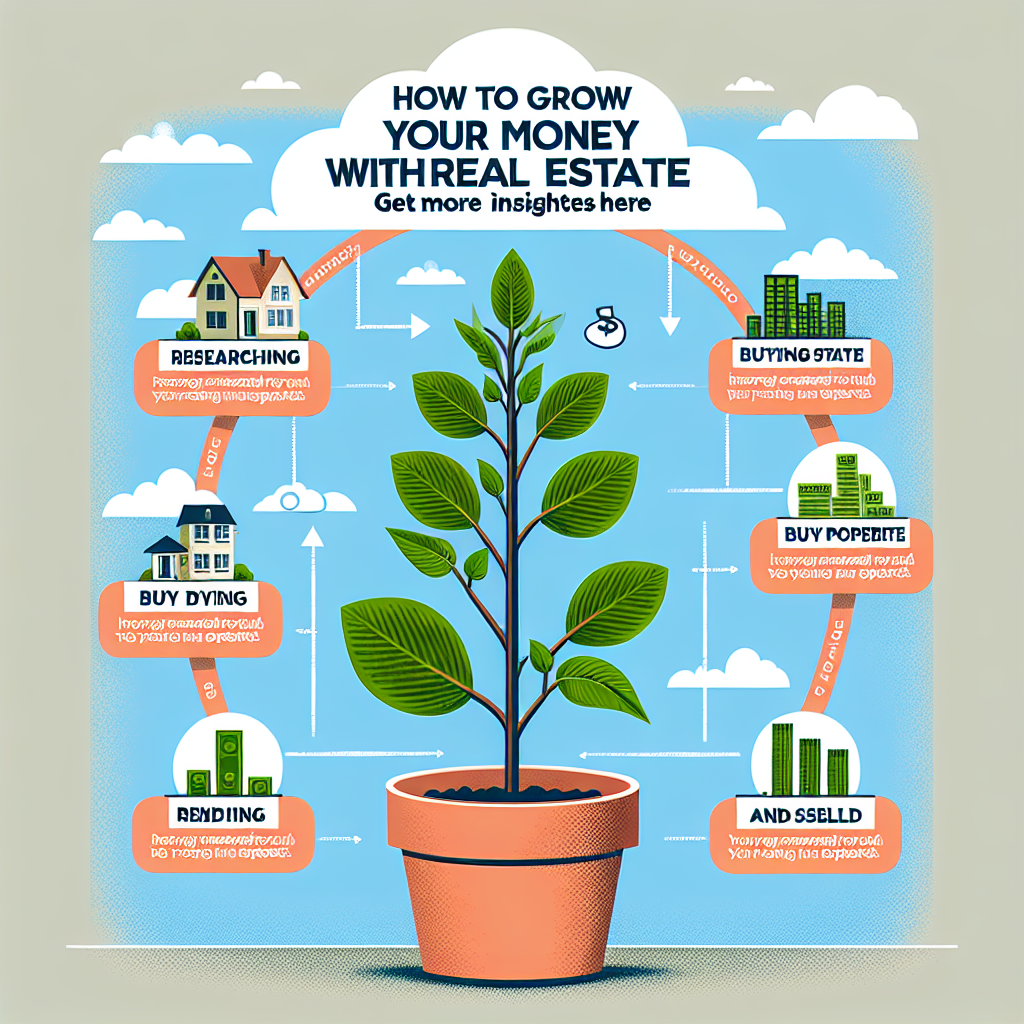
How To Grow Your Money With Real Estate
Visit Link
Learn How To Build Wealth With Property
Visit Link
How To Build Wealth With Real Estate
Visit Link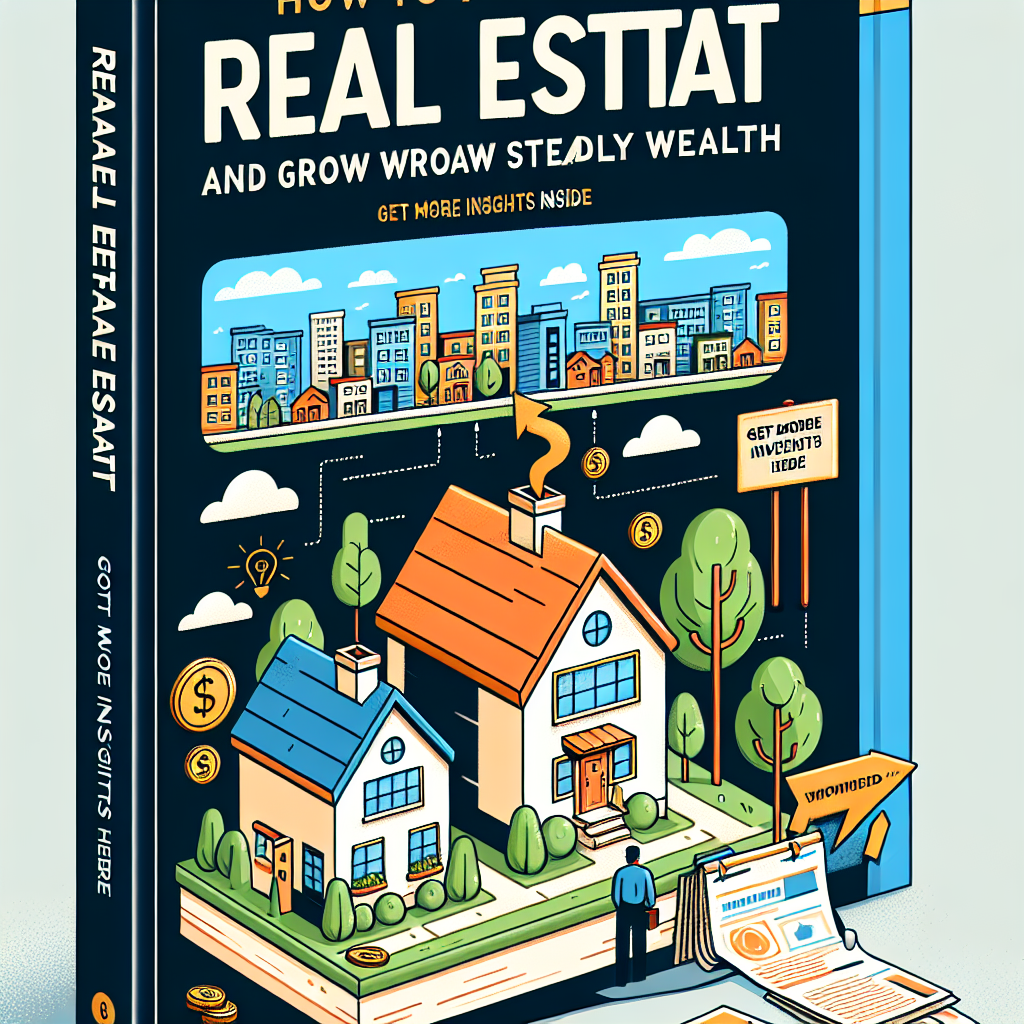
How To Invest In Real Estate And Grow Steady Wealth
Visit Link