How To Invest In Real Estate And Grow Steady Wealth
Understanding Real Estate Investment
Investing in real estate is a powerful avenue for building wealth over time. Unlike other investment types, real estate offers tangible assets that can appreciate in value, generate income, and provide tax benefits. To begin your journey in real estate investment, it’s vital to understand the different types of properties available, such as residential, commercial, and industrial real estate. Each type has its own dynamics, risks, and potential returns, making it essential for investors to align their investment choices with their financial goals and risk tolerance.
Developing a Strategic Plan
A solid investment strategy is key to achieving success in real estate. Start by defining your financial goals—whether you’re looking for short-term gains through flipping houses or long-term stability with rental properties. Once you’ve established your objectives, conduct thorough market research to identify areas with growth potential. Look for indicators like job growth, population increases, and infrastructure developments. Additionally, consider the financial aspects, such as your budget, financing options, and potential return on investment (ROI) to ensure your plan is both realistic and achievable.
Building a Diverse Portfolio
Diversity is a cornerstone of a successful investment portfolio. By spreading your investments across different types of properties and locations, you can mitigate risks while maximizing potential returns. For instance, combining residential rental properties with commercial spaces can help balance cash flow and provide a buffer against market fluctuations. Furthermore, consider incorporating real estate investment trusts (REITs) into your portfolio. REITs offer a way to invest in real estate without the need to manage physical properties, allowing you to tap into the real estate market with greater flexibility.
Maximizing Returns Through Smart Management
Once you’ve invested in real estate, effective management is crucial to maximizing your returns. This includes maintaining properties, managing tenants, and ensuring consistent cash flow. Regular maintenance not only preserves property value but also attracts quality tenants, leading to reduced vacancy rates and higher rental income. Additionally, stay informed about market trends and be proactive in adjusting your rental prices to remain competitive. Consider hiring a property management company if managing properties becomes overwhelming, as they can handle day-to-day operations and improve your overall investment experience.
Conclusion
Investing in real estate can be a rewarding journey toward financial independence and wealth creation. By understanding the fundamentals, developing a strategic plan, diversifying your portfolio, and implementing smart management practices, you can build a robust real estate empire. Remember that patience and persistence are key; wealth in real estate grows steadily over time. As you embark on this journey, continue to educate yourself and adapt your strategies to align with changing market conditions. With the right approach, real estate can be a powerful tool for achieving your financial dreams.
Related Content

Beste Wasmachines En Drogers Voor Senioren In Nederland 2025 – Bekijk De Lijst
Visit Link
Guía De Precios Del Libro Azul 2025 Para Autos Usados En México
Visit Link
Learn About The Best Investments for 2026
Visit Link
Learn What To Invest In For 2026
Visit Link
Learn Top Investment Ideas For 2026
Visit Link
Learn Smart Investment Options for 2026
Visit Link
Learn Where To Invest In 2026
Visit Link
Learn About The Best Investments for 2026
Visit Link
Learn What To Invest In For 2026
Visit Link
Learn Top Investment Ideas For 2026
Visit Link
Learn Smart Investment Options for 2026
Visit Link
Learn Where To Invest In 2026
Visit Link
Learn How To Build Wealth With Real Estate
Visit Link
Unlocking Financial Freedom: Learn Real Estate Wealth Strategies
Visit Link
Learn How Real Estate Grows Wealth
Visit Link
Explore How To Build Wealth With Real Estate
Visit Link
Discover Real Estate Wealth Building
Visit Link
Learn How To Build Wealth With Real Estate
Visit Link
Unlocking Financial Freedom: Learn Real Estate Wealth Strategies
Visit Link
Learn How Real Estate Grows Wealth
Visit Link
Explore How To Build Wealth With Real Estate
Visit Link
Discover Real Estate Wealth Building
Visit Link
Learn How To Build Wealth With Property
Visit Link
How To Build Wealth With Real Estate
Visit Link
How To Invest In Real Estate And Grow Steady Wealth
Visit Link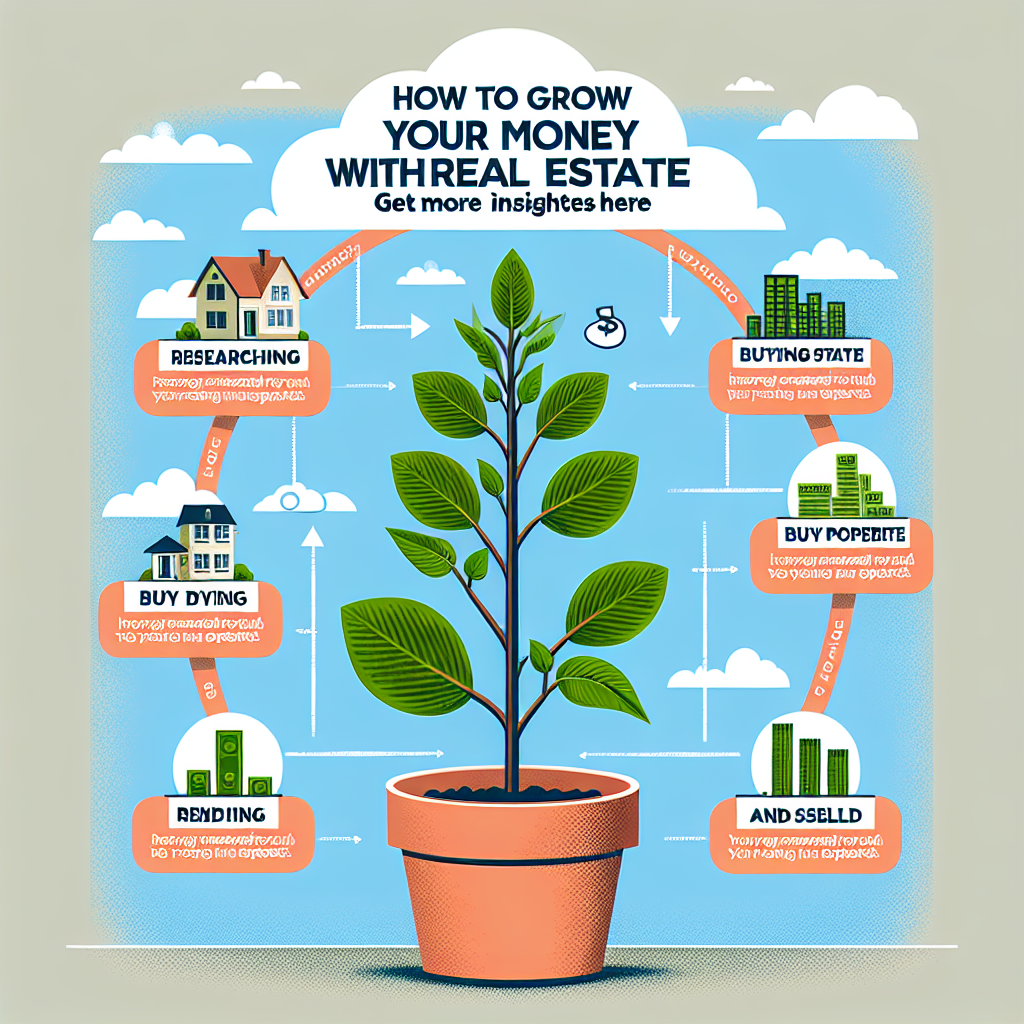
How To Grow Your Money With Real Estate
Visit Link
Learn How To Build Wealth With Property
Visit Link
How To Build Wealth With Real Estate
Visit Link
How To Invest In Real Estate And Grow Steady Wealth
Visit Link