Investments in 2026: What You Need to Know
Understanding the Investment Landscape
As we approach 2026, the investment landscape is evolving rapidly, influenced by technological advancements, economic shifts, and changing consumer behaviors. Investors must stay informed about market trends to make sound decisions. Understanding the macroeconomic factors that drive investment opportunities will be crucial for anyone looking to diversify their portfolio.
Globalization and the rise of digital currencies are reshaping traditional investment strategies. With the increasing popularity of cryptocurrencies, investors will need to evaluate the potential risks and rewards associated with this asset class. Additionally, environmental and social governance (ESG) criteria are becoming more significant, prompting investors to consider ethical implications alongside financial returns.
Key Sectors to Watch
Certain sectors are poised for growth in 2026, making them attractive options for investors. Technology remains a dominant force, with advancements in artificial intelligence, machine learning, and blockchain technology leading the charge. Companies that adapt to these innovations are likely to see substantial growth, making tech-focused investments a priority.
Healthcare is another sector to keep an eye on, driven by an aging population and increasing demand for medical services and technologies. Investments in biotech and telehealth companies are expected to yield promising results as the world continues to prioritize health and wellness. Furthermore, renewable energy is gaining traction, as governments and consumers alike push for sustainable practices. Investing in green technologies could be both profitable and socially responsible.
Strategies for Successful Investment
To navigate the investment landscape in 2026, it is essential to adopt a strategic approach. Diversification across various asset classes can help mitigate risks while maximizing potential returns. Investors should consider a mix of equities, fixed income, real estate, and alternative investments to create a balanced portfolio.
Staying informed through continuous education and market analysis is vital. Following reputable financial news sources, attending investment seminars, and consulting with financial advisors can equip investors with the knowledge needed to make informed decisions. Additionally, utilizing technology, such as investment apps and online platforms, can provide valuable insights and facilitate better investment choices.
In conclusion, the investments landscape in 2026 presents both challenges and opportunities. By understanding key trends, identifying promising sectors, and implementing effective strategies, investors can position themselves for success. The future of investing is bright, but it requires diligence and adaptability to thrive in an ever-changing market.
Related Content

Beste Wasmachines En Drogers Voor Senioren In Nederland 2025 – Bekijk De Lijst
Visit Link
Guía De Precios Del Libro Azul 2025 Para Autos Usados En México
Visit Link
Learn About The Best Investments for 2026
Visit Link
Learn What To Invest In For 2026
Visit Link
Learn Top Investment Ideas For 2026
Visit Link
Learn Smart Investment Options for 2026
Visit Link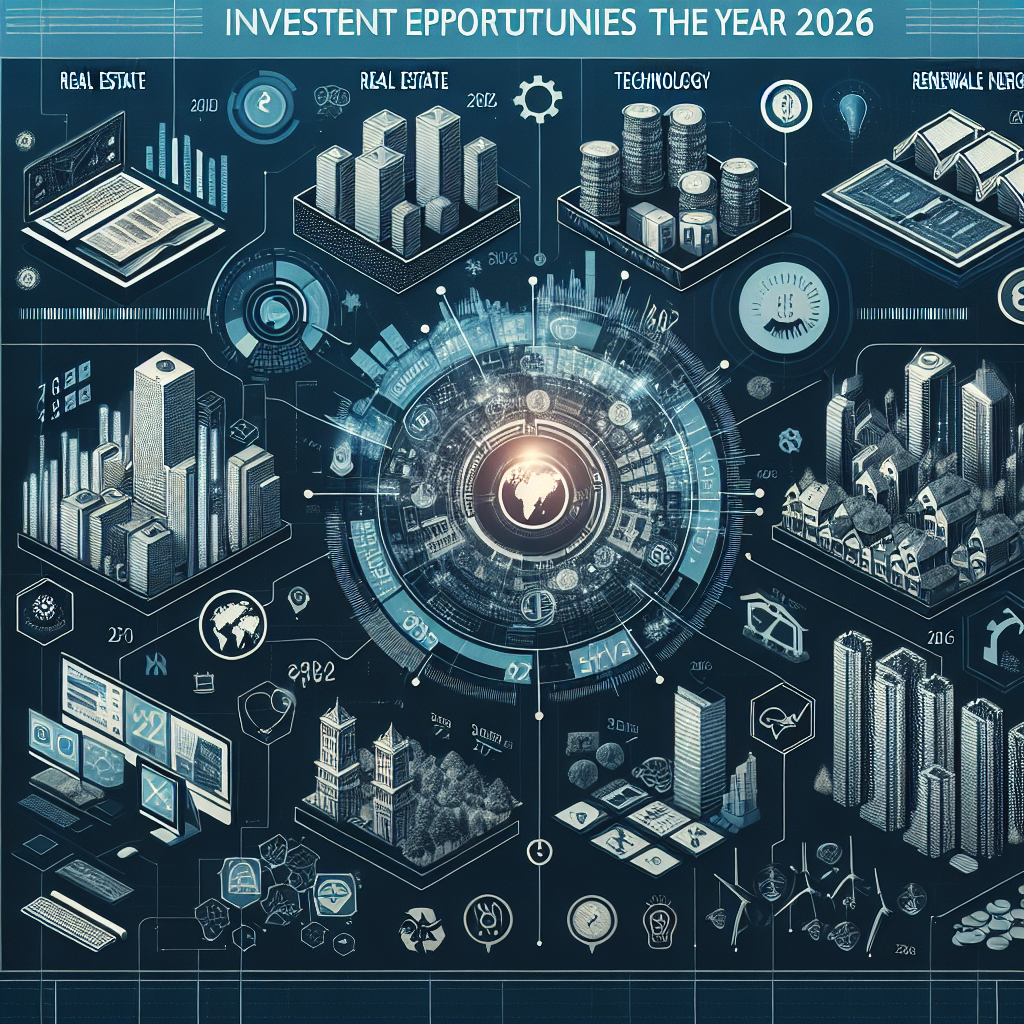
Learn Where To Invest In 2026
Visit Link
Learn About The Best Investments for 2026
Visit Link
Learn What To Invest In For 2026
Visit Link
Learn Top Investment Ideas For 2026
Visit Link
Learn Smart Investment Options for 2026
Visit Link
Learn Where To Invest In 2026
Visit Link
Learn How To Build Wealth With Real Estate
Visit Link
Unlocking Financial Freedom: Learn Real Estate Wealth Strategies
Visit Link
Learn How Real Estate Grows Wealth
Visit Link
Explore How To Build Wealth With Real Estate
Visit Link
Discover Real Estate Wealth Building
Visit Link
Learn How To Build Wealth With Real Estate
Visit Link
Unlocking Financial Freedom: Learn Real Estate Wealth Strategies
Visit Link
Learn How Real Estate Grows Wealth
Visit Link
Explore How To Build Wealth With Real Estate
Visit Link
Discover Real Estate Wealth Building
Visit Link
Learn How To Build Wealth With Property
Visit Link
How To Build Wealth With Real Estate
Visit Link
How To Invest In Real Estate And Grow Steady Wealth
Visit Link
How To Grow Your Money With Real Estate
Visit Link
Learn How To Build Wealth With Property
Visit Link
How To Build Wealth With Real Estate
Visit Link
How To Invest In Real Estate And Grow Steady Wealth
Visit Link