How To Invest In Real Estate And Grow Steady Wealth
Understanding Real Estate Investment
Investing in real estate is a time-tested strategy for building wealth and achieving financial independence. At its core, real estate investment involves purchasing properties to generate income, appreciation, or both. As you embark on this journey, its crucial to understand the different types of real estate investments available, which include residential, commercial, industrial, and retail properties. Each category has its unique characteristics, risks, and rewards, making it essential to assess your goals, risk tolerance, and investment horizon before diving in.
Strategies for Successful Real Estate Investment
To grow steady wealth through real estate, investors should consider various strategies tailored to their individual circumstances. One popular approach is rental properties, where you acquire residential units and rent them out to tenants. This method not only generates consistent cash flow but can also lead to property appreciation over time. Another strategy is flipping properties, which involves purchasing undervalued homes, renovating them, and selling them at a profit. While flipping can yield high returns, it requires a keen eye for market trends and renovation costs.
Additionally, real estate investment trusts (REITs) provide an alternative for those looking to invest in real estate without directly purchasing properties. REITs are companies that own, operate, or finance income-producing real estate, allowing investors to buy shares and receive dividends without the hassle of property management. Each strategy has its pros and cons, so it’s crucial to do thorough research and select the one that aligns with your financial goals.
Building a Sustainable Real Estate Portfolio
Once you’ve made your initial investment, the next step is to build a sustainable real estate portfolio. Diversification is key to mitigating risk; consider investing in different property types and geographic locations. This approach protects your investments from market fluctuations and economic downturns. Additionally, continually educating yourself about market trends, local laws, and financing options will empower you to make informed decisions as you expand your portfolio.
Networking with other real estate investors can also provide valuable insights and opportunities. Join local real estate investment groups, attend workshops, and participate in online forums to learn from the experiences of others. Furthermore, consider working with a real estate agent who specializes in investment properties, as they can guide you through the buying process and help you identify lucrative opportunities.
Finally, remember that patience is essential in real estate investing. Wealth accumulation through real estate is typically a long-term strategy, and while you may face challenges along the way, maintaining a focused and informed approach will ultimately lead to success. With the right strategies and mindset, you can build a robust real estate portfolio that generates steady wealth for years to come.
Related Content

Beste Wasmachines En Drogers Voor Senioren In Nederland 2025 – Bekijk De Lijst
Visit Link
Guía De Precios Del Libro Azul 2025 Para Autos Usados En México
Visit Link
Learn About The Best Investments for 2026
Visit Link
Learn What To Invest In For 2026
Visit Link
Learn Top Investment Ideas For 2026
Visit Link
Learn Smart Investment Options for 2026
Visit Link
Learn Where To Invest In 2026
Visit Link
Learn About The Best Investments for 2026
Visit Link
Learn What To Invest In For 2026
Visit Link
Learn Top Investment Ideas For 2026
Visit Link
Learn Smart Investment Options for 2026
Visit Link
Learn Where To Invest In 2026
Visit Link
Learn How To Build Wealth With Real Estate
Visit Link
Unlocking Financial Freedom: Learn Real Estate Wealth Strategies
Visit Link
Learn How Real Estate Grows Wealth
Visit Link
Explore How To Build Wealth With Real Estate
Visit Link
Discover Real Estate Wealth Building
Visit Link
Learn How To Build Wealth With Real Estate
Visit Link
Unlocking Financial Freedom: Learn Real Estate Wealth Strategies
Visit Link
Learn How Real Estate Grows Wealth
Visit Link
Explore How To Build Wealth With Real Estate
Visit Link
Discover Real Estate Wealth Building
Visit Link
Learn How To Build Wealth With Property
Visit Link
How To Build Wealth With Real Estate
Visit Link
How To Invest In Real Estate And Grow Steady Wealth
Visit Link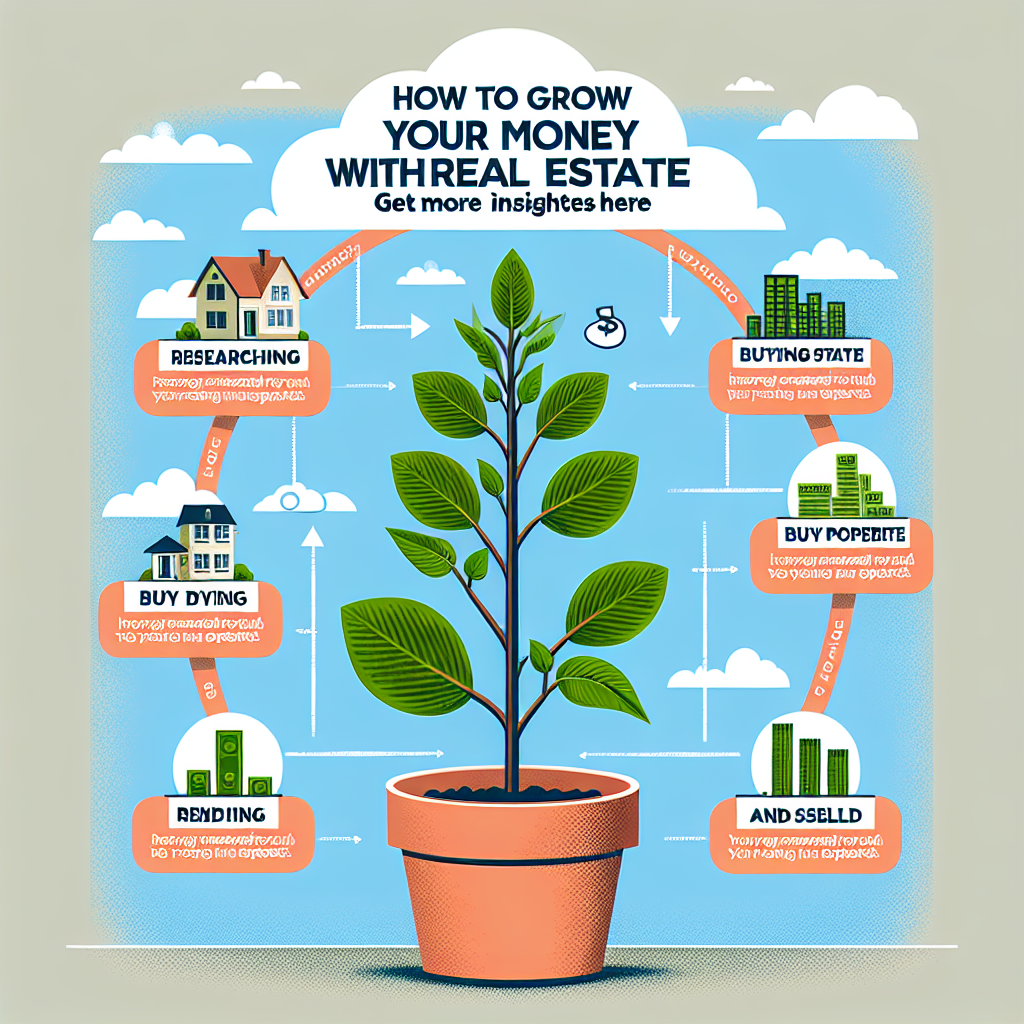
How To Grow Your Money With Real Estate
Visit Link
Learn How To Build Wealth With Property
Visit Link
How To Build Wealth With Real Estate
Visit Link
How To Invest In Real Estate And Grow Steady Wealth
Visit Link