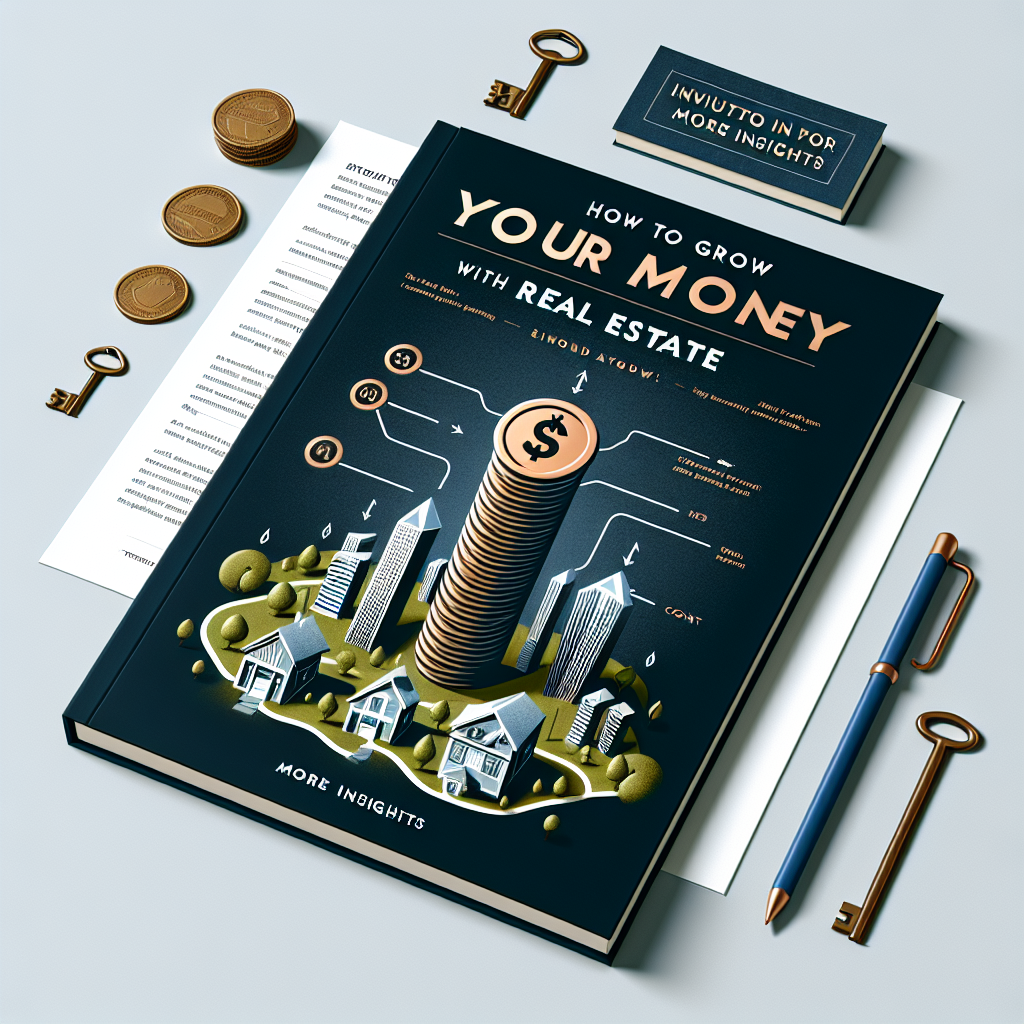
How To Build Wealth With Real Estate
Understanding the Real Estate Market
Real estate has long been a favored avenue for building wealth, offering both stability and potential for significant returns. To navigate this market effectively, it is essential to understand the various factors that influence property value. Economic indicators such as interest rates, employment rates, and demographic trends play pivotal roles in determining real estate demand. Additionally, local market conditions—like neighborhood development, school quality, and crime rates—can significantly impact property values.
By staying informed about these aspects, prospective investors can make educated decisions and identify the right opportunities for investment. Analyzing market trends and engaging with local real estate professionals can provide valuable insights and enhance your investment strategy.
Strategies for Wealth Building
Building wealth through real estate requires a well-thought-out strategy. One popular approach is rental property investment, where buyers purchase residential or commercial properties to rent out. This strategy provides a steady cash flow while the property appreciates over time. Additionally, property owners can benefit from tax deductions on mortgage interest and depreciation, further enhancing their financial returns.
Another effective strategy is flipping houses, where investors buy properties at a lower price, renovate them, and then sell for a profit. This method can yield quick returns but requires a keen eye for potential and a solid understanding of renovation costs. Lastly, consider investing in real estate investment trusts (REITs), which allow you to invest in real estate without the need to manage physical properties, providing diversification and liquidity.
Long-Term Vision and Financial Literacy
To successfully build wealth with real estate, adopting a long-term mindset is crucial. Real estate is not a get-rich-quick scheme; it requires patience and persistence. Understanding market cycles and being prepared for downturns can greatly influence your success. Diversifying your portfolio by investing in different types of properties or geographical areas can also safeguard against market volatility.
Enhancing your financial literacy is equally important. Familiarize yourself with concepts such as cash flow, return on investment (ROI), and equity. Knowledge in these areas will empower you to make informed decisions, thereby maximizing your investment potential. Consider attending workshops, reading books, or consulting with financial advisors to bolster your understanding of real estate investing.
In conclusion, building wealth through real estate is achievable with the right knowledge, strategies, and a long-term vision. By understanding the market, employing effective investment strategies, and continuously improving your financial literacy, you can create a robust real estate portfolio that contributes to your financial freedom. Ready to dive deeper? Get more insights here!
Related Content

Beste Wasmachines En Drogers Voor Senioren In Nederland 2025 – Bekijk De Lijst
Visit Link
Guía De Precios Del Libro Azul 2025 Para Autos Usados En México
Visit Link
Learn About The Best Investments for 2026
Visit Link
Learn What To Invest In For 2026
Visit Link
Learn Top Investment Ideas For 2026
Visit Link
Learn Smart Investment Options for 2026
Visit Link
Learn Where To Invest In 2026
Visit Link
Learn About The Best Investments for 2026
Visit Link
Learn What To Invest In For 2026
Visit Link
Learn Top Investment Ideas For 2026
Visit Link
Learn Smart Investment Options for 2026
Visit Link
Learn Where To Invest In 2026
Visit Link
Learn How To Build Wealth With Real Estate
Visit Link
Unlocking Financial Freedom: Learn Real Estate Wealth Strategies
Visit Link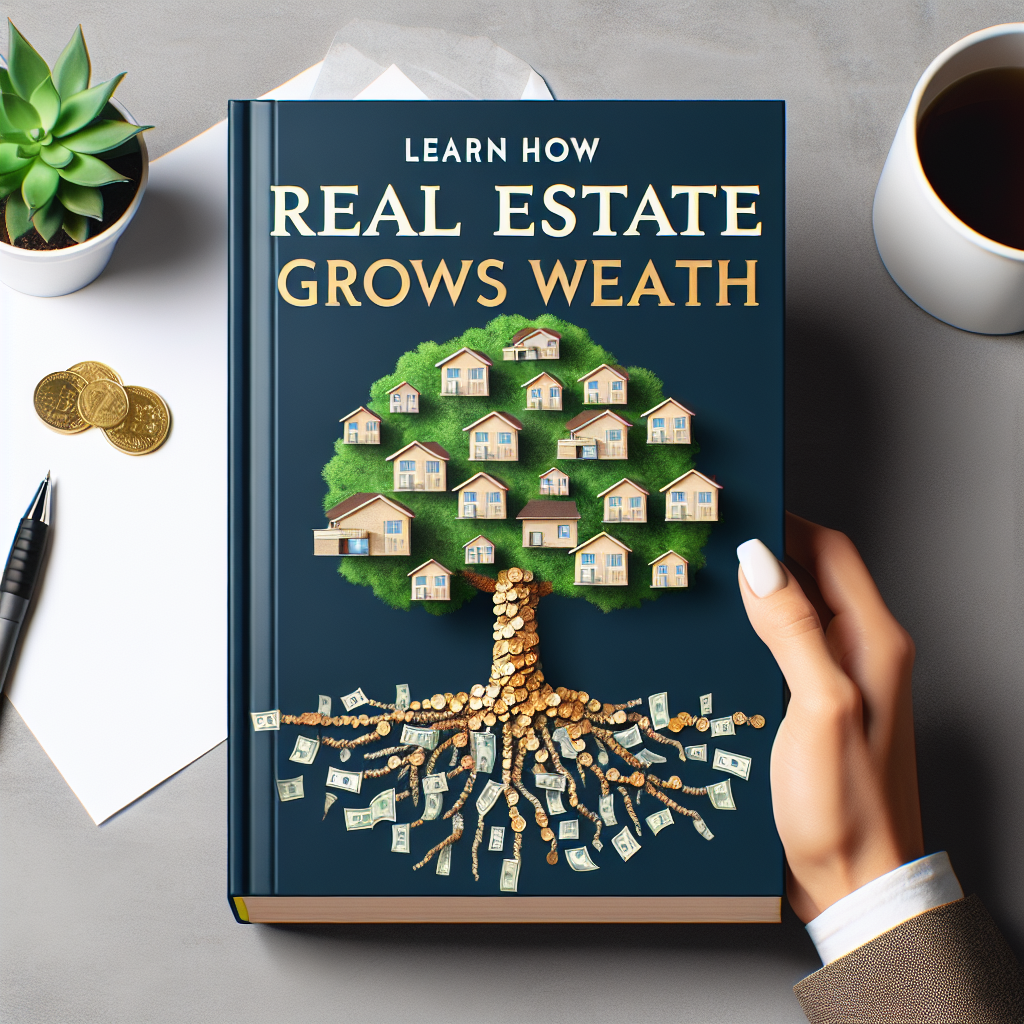
Learn How Real Estate Grows Wealth
Visit Link
Explore How To Build Wealth With Real Estate
Visit Link
Discover Real Estate Wealth Building
Visit Link
Learn How To Build Wealth With Real Estate
Visit Link
Unlocking Financial Freedom: Learn Real Estate Wealth Strategies
Visit Link
Learn How Real Estate Grows Wealth
Visit Link
Explore How To Build Wealth With Real Estate
Visit Link
Discover Real Estate Wealth Building
Visit Link
Learn How To Build Wealth With Property
Visit Link
How To Build Wealth With Real Estate
Visit Link
How To Invest In Real Estate And Grow Steady Wealth
Visit Link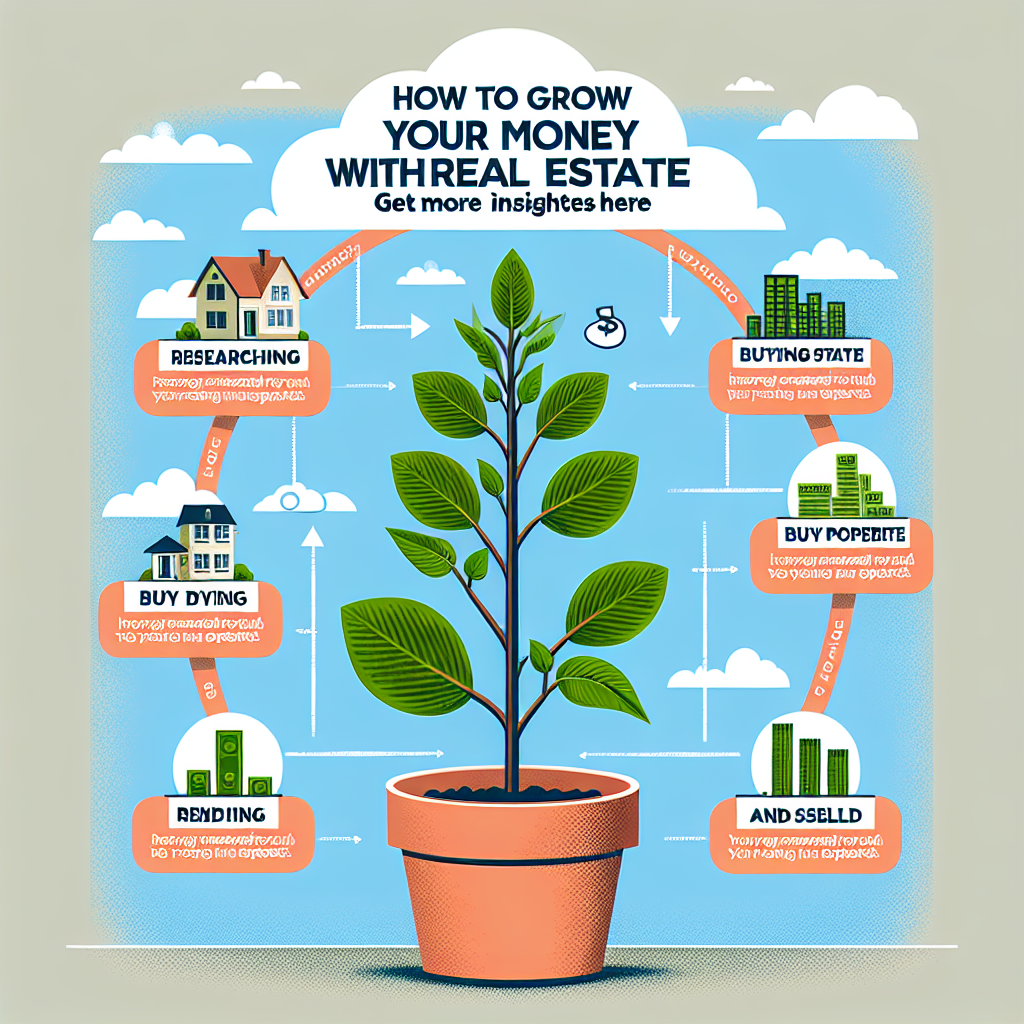
How To Grow Your Money With Real Estate
Visit Link
Learn How To Build Wealth With Property
Visit Link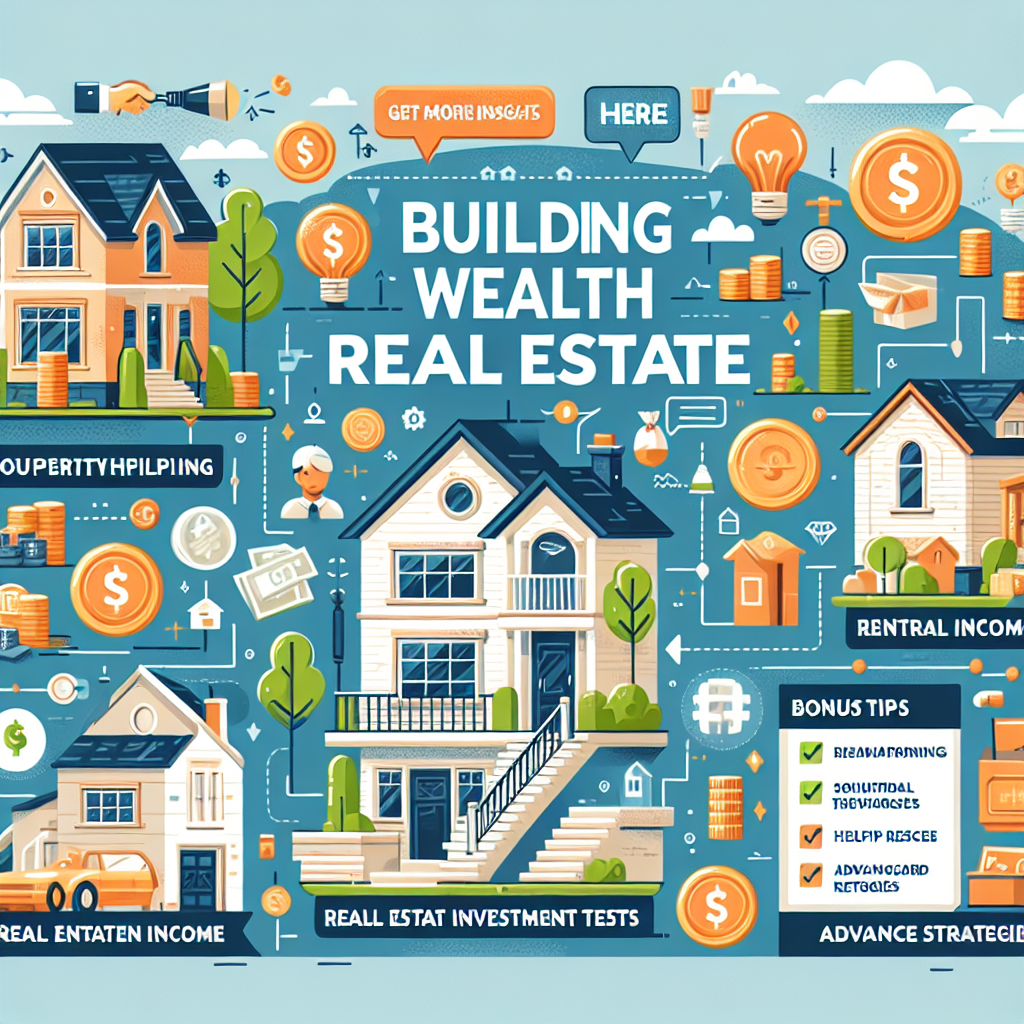
How To Build Wealth With Real Estate
Visit Link
How To Invest In Real Estate And Grow Steady Wealth
Visit Link