How To Build Wealth With Real Estate
The Basics of Real Estate Investment
Building wealth through real estate is a strategy that has stood the test of time. Unlike stocks or other investments, real estate provides not only potential capital appreciation but also rental income, making it a dual-income asset. To begin your journey in real estate investing, its essential to understand the fundamental concepts. This includes knowing the different types of properties—residential, commercial, and industrial—and their respective market dynamics.
Understanding local market trends is crucial. Factors such as job growth, population increases, and infrastructure developments can significantly influence property values. Additionally, familiarize yourself with financing options, including mortgages, cash purchases, and real estate investment trusts (REITs). By arming yourself with knowledge, you can make informed decisions that align with your financial goals.
Strategies for Successful Real Estate Investment
Once you grasp the basics, consider various strategies to build wealth through real estate. One popular method is rental property investment, where you purchase properties and rent them out to tenants. This approach can generate a steady cash flow and allow for long-term appreciation. However, it does come with responsibilities, such as property management and dealing with tenants.
Another effective strategy is house flipping, which involves purchasing undervalued properties, renovating them, and selling them for a profit. While this can yield quick returns, it requires a keen eye for potential improvements and a sound understanding of renovation costs. Additionally, consider diversifying your real estate portfolio by investing in different markets or property types to mitigate risks and maximize returns.
Leveraging Real Estate for Long-Term Wealth
One of the most powerful aspects of real estate investing is leverage. By using borrowed funds to purchase properties, you can control larger assets with a smaller amount of your own capital. This strategy amplifies potential returns, as the appreciation of property value occurs on the total asset rather than just your equity. However, leveraging involves risks, especially if property values decline or if rental income does not cover mortgage payments.
Furthermore, it’s important to consider the tax advantages associated with real estate investments. Deductions for mortgage interest, property taxes, and depreciation can significantly reduce your taxable income, enhancing your overall returns. As you grow your real estate portfolio, consult with financial and tax advisors to ensure you are maximizing these benefits effectively.
Conclusion: Start Your Real Estate Journey Today
Building wealth with real estate is not an overnight endeavor; it requires careful planning, research, and management. However, with the right strategies and a commitment to learning, anyone can navigate the real estate market successfully. Start small, educate yourself, and gradually expand your investments. Remember, the journey to wealth through real estate is a marathon, not a sprint. Begin today, and watch your financial future transform.
How To Build Wealth With Real Estate? Get More Insights Here.
Related Content

Beste Wasmachines En Drogers Voor Senioren In Nederland 2025 – Bekijk De Lijst
Visit Link
Guía De Precios Del Libro Azul 2025 Para Autos Usados En México
Visit Link
Learn About The Best Investments for 2026
Visit Link
Learn What To Invest In For 2026
Visit Link
Learn Top Investment Ideas For 2026
Visit Link
Learn Smart Investment Options for 2026
Visit Link
Learn Where To Invest In 2026
Visit Link
Learn About The Best Investments for 2026
Visit Link
Learn What To Invest In For 2026
Visit Link
Learn Top Investment Ideas For 2026
Visit Link
Learn Smart Investment Options for 2026
Visit Link
Learn Where To Invest In 2026
Visit Link
Learn How To Build Wealth With Real Estate
Visit Link
Unlocking Financial Freedom: Learn Real Estate Wealth Strategies
Visit Link
Learn How Real Estate Grows Wealth
Visit Link
Explore How To Build Wealth With Real Estate
Visit Link
Discover Real Estate Wealth Building
Visit Link
Learn How To Build Wealth With Real Estate
Visit Link
Unlocking Financial Freedom: Learn Real Estate Wealth Strategies
Visit Link
Learn How Real Estate Grows Wealth
Visit Link
Explore How To Build Wealth With Real Estate
Visit Link
Discover Real Estate Wealth Building
Visit Link
Learn How To Build Wealth With Property
Visit Link
How To Build Wealth With Real Estate
Visit Link
How To Invest In Real Estate And Grow Steady Wealth
Visit Link
How To Grow Your Money With Real Estate
Visit Link
Learn How To Build Wealth With Property
Visit Link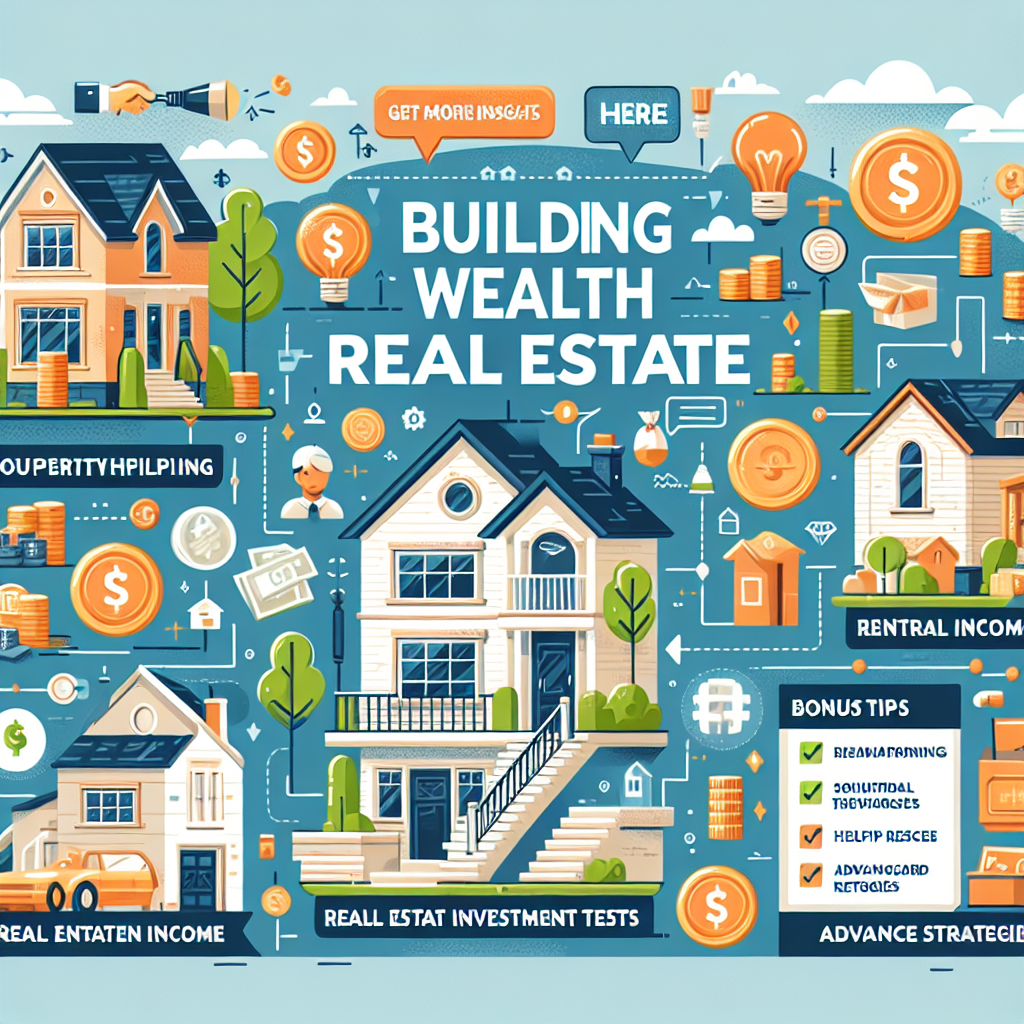
How To Build Wealth With Real Estate
Visit Link
How To Invest In Real Estate And Grow Steady Wealth
Visit Link