How To Invest In Real Estate And Grow Steady Wealth
Understanding Real Estate Investment
Investing in real estate can be one of the most effective ways to build wealth over time. Unlike traditional stock market investments, real estate offers tangible assets that can appreciate in value while also generating a steady income through rental payments. Understanding the basics of real estate investment is the first step toward making informed decisions that can lead to financial stability and growth.
Real estate investment involves purchasing properties with the expectation of earning a return on investment (ROI) through rental income, property appreciation, or both. Investors can choose from various types of properties, including residential homes, commercial buildings, and industrial spaces, each with its own set of opportunities and challenges.
Strategies for Successful Real Estate Investing
To effectively invest in real estate, its crucial to develop a strategy that aligns with your financial goals and risk tolerance. One common approach is the buy-and-hold strategy, where investors purchase properties and hold onto them for the long term, benefiting from both rental income and property value appreciation. This strategy often requires careful market research to identify areas with strong growth potential.
Another popular strategy is house flipping, where investors purchase undervalued properties, renovate them, and sell them for a profit. This method can yield quick returns but also involves significant risk and requires a good understanding of market trends and renovation costs.
Regardless of the strategy chosen, conducting thorough due diligence is essential. This includes analyzing property values, understanding local market conditions, and assessing potential risks associated with each investment.
Financing Your Real Estate Investments
Financing is a critical component of real estate investing. Many investors leverage mortgages to purchase properties, allowing them to buy more than they could with cash alone. Understanding the different types of financing options, such as conventional loans, FHA loans, and private money lending, can help investors secure the best terms for their investments.
Additionally, it’s important to consider the long-term financial implications of leveraging debt. While borrowing can amplify returns, it also increases risk, especially during market downturns. Therefore, having a solid financial plan and a buffer for unexpected expenses is vital.
Building a Real Estate Portfolio
Once you have successfully made your first investment, consider expanding your portfolio. Diversification is key in real estate, as it can mitigate risks associated with market fluctuations. Investing in different types of properties or in various geographic locations can provide a more stable income stream and enhance overall returns.
Networking with other real estate investors and professionals can also provide valuable insights and opportunities. Attend local real estate investment meetings, join online forums, and seek mentorship from experienced investors to enhance your knowledge and gain access to potential deals.
Conclusion
Investing in real estate is a powerful way to grow steady wealth, offering both immediate cash flow and long-term appreciation. By understanding the fundamentals, developing a solid strategy, securing appropriate financing, and expanding your portfolio, you can create a successful real estate investment journey. Remember, the key to success lies in continuous learning and adapting to the ever-changing market landscape.
Related Content

Beste Wasmachines En Drogers Voor Senioren In Nederland 2025 – Bekijk De Lijst
Visit Link
Guía De Precios Del Libro Azul 2025 Para Autos Usados En México
Visit Link
Learn About The Best Investments for 2026
Visit Link
Learn What To Invest In For 2026
Visit Link
Learn Top Investment Ideas For 2026
Visit Link
Learn Smart Investment Options for 2026
Visit Link
Learn Where To Invest In 2026
Visit Link
Learn About The Best Investments for 2026
Visit Link
Learn What To Invest In For 2026
Visit Link
Learn Top Investment Ideas For 2026
Visit Link
Learn Smart Investment Options for 2026
Visit Link
Learn Where To Invest In 2026
Visit Link
Learn How To Build Wealth With Real Estate
Visit Link
Unlocking Financial Freedom: Learn Real Estate Wealth Strategies
Visit Link
Learn How Real Estate Grows Wealth
Visit Link
Explore How To Build Wealth With Real Estate
Visit Link
Discover Real Estate Wealth Building
Visit Link
Learn How To Build Wealth With Real Estate
Visit Link
Unlocking Financial Freedom: Learn Real Estate Wealth Strategies
Visit Link
Learn How Real Estate Grows Wealth
Visit Link
Explore How To Build Wealth With Real Estate
Visit Link
Discover Real Estate Wealth Building
Visit Link
Learn How To Build Wealth With Property
Visit Link
How To Build Wealth With Real Estate
Visit Link
How To Invest In Real Estate And Grow Steady Wealth
Visit Link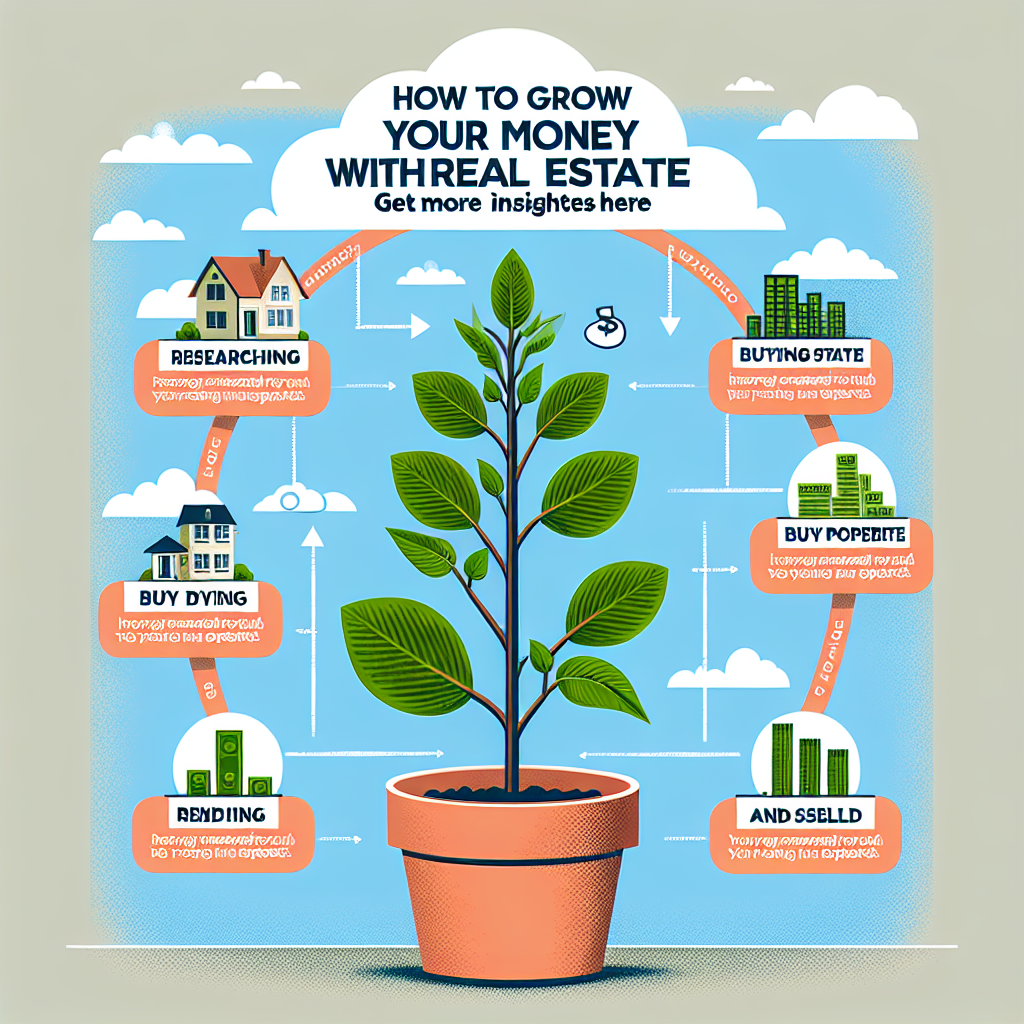
How To Grow Your Money With Real Estate
Visit Link
Learn How To Build Wealth With Property
Visit Link
How To Build Wealth With Real Estate
Visit Link
How To Invest In Real Estate And Grow Steady Wealth
Visit Link