How To Build Wealth With Real Estate
Understanding Real Estate as an Investment
Real estate has long been regarded as one of the most reliable and effective ways to build wealth. Unlike stocks or bonds, real estate offers tangible assets that can appreciate over time. When properly managed, real estate investments can generate passive income, tax benefits, and capital appreciation. Moreover, the demand for housing continues to grow, making it an attractive option for investors seeking to grow their financial portfolio.
One of the primary advantages of real estate is the ability to leverage. Investors can purchase properties using borrowed funds, which can amplify their returns. For instance, if an investor buys a property valued at $300,000 with a $60,000 down payment, any increase in property value benefits the entire investment, not just the initial cash outlay. This leverage can significantly enhance wealth-building potential.
Strategies for Successful Real Estate Investment
To build wealth through real estate, it is crucial to adopt effective strategies. First, consider investing in rental properties. By purchasing and renting out residential or commercial properties, investors can create a steady stream of income. This rental income can cover mortgage payments, property management fees, and maintenance costs, while also providing a profit margin.
Another strategy is to invest in real estate investment trusts (REITs). REITs allow individuals to invest in real estate without the need to buy, manage, or finance properties directly. These companies own, operate, or finance income-generating real estate and distribute a significant portion of their earnings as dividends. This can be an excellent way for new investors to gain exposure to the real estate market with less capital and lower risk.
Navigating Challenges in Real Estate Investment
While real estate investment offers significant opportunities, it is not without challenges. Market fluctuations can impact property values, and unforeseen expenses can arise, such as repairs or vacancies. Therefore, it is essential for investors to conduct thorough research and due diligence before making any investment decisions. Understanding local market trends, property values, and economic indicators can help mitigate risks.
Additionally, investors should have a clear financial plan and budget. Establishing a solid financial foundation allows for better decision-making and can help weather any downturns in the market. It is also advisable to build a network of professionals, including real estate agents, property managers, and financial advisors, who can provide valuable insights and assistance throughout the investment journey.
In conclusion, building wealth with real estate is a viable strategy that requires careful planning, research, and execution. By understanding the fundamentals of real estate investment, adopting effective strategies, and preparing for potential challenges, individuals can create a robust portfolio that grows in value over time. Get more insights here and start your journey towards financial independence through real estate.
Related Content

Beste Wasmachines En Drogers Voor Senioren In Nederland 2025 – Bekijk De Lijst
Visit Link
Guía De Precios Del Libro Azul 2025 Para Autos Usados En México
Visit Link
Learn About The Best Investments for 2026
Visit Link
Learn What To Invest In For 2026
Visit Link
Learn Top Investment Ideas For 2026
Visit Link
Learn Smart Investment Options for 2026
Visit Link
Learn Where To Invest In 2026
Visit Link
Learn About The Best Investments for 2026
Visit Link
Learn What To Invest In For 2026
Visit Link
Learn Top Investment Ideas For 2026
Visit Link
Learn Smart Investment Options for 2026
Visit Link
Learn Where To Invest In 2026
Visit Link
Learn How To Build Wealth With Real Estate
Visit Link
Unlocking Financial Freedom: Learn Real Estate Wealth Strategies
Visit Link
Learn How Real Estate Grows Wealth
Visit Link
Explore How To Build Wealth With Real Estate
Visit Link
Discover Real Estate Wealth Building
Visit Link
Learn How To Build Wealth With Real Estate
Visit Link
Unlocking Financial Freedom: Learn Real Estate Wealth Strategies
Visit Link
Learn How Real Estate Grows Wealth
Visit Link
Explore How To Build Wealth With Real Estate
Visit Link
Discover Real Estate Wealth Building
Visit Link
Learn How To Build Wealth With Property
Visit Link
How To Build Wealth With Real Estate
Visit Link
How To Invest In Real Estate And Grow Steady Wealth
Visit Link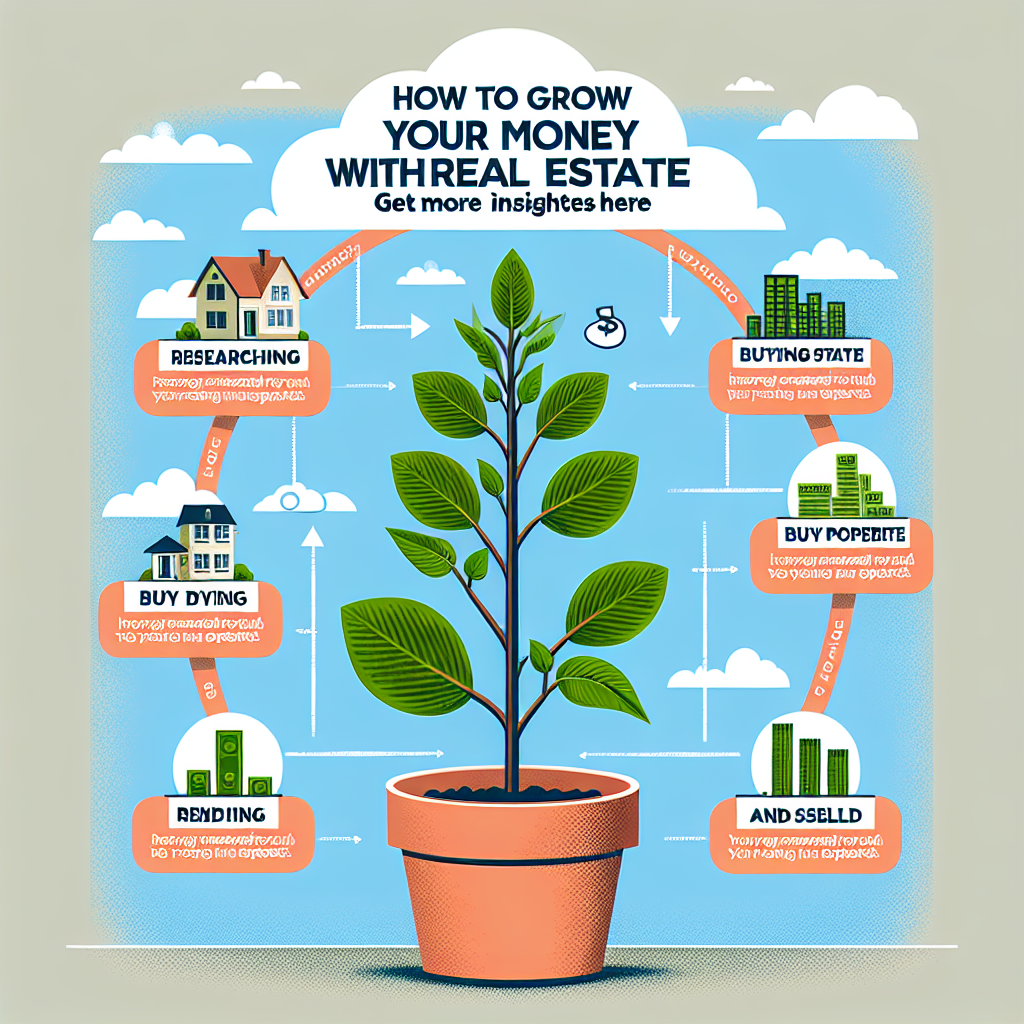
How To Grow Your Money With Real Estate
Visit Link
Learn How To Build Wealth With Property
Visit Link
How To Build Wealth With Real Estate
Visit Link
How To Invest In Real Estate And Grow Steady Wealth
Visit Link