How To Invest In Real Estate And Grow Steady Wealth
Understanding Real Estate Investment
Investing in real estate has long been considered a reliable strategy for building wealth over time. Unlike other investment avenues, real estate offers tangible assets that can appreciate in value, generate income, and provide tax advantages. Its essential to understand the different types of real estate investments available, including residential, commercial, and industrial properties. Each category has its own set of risks and rewards, which can significantly impact your investment strategy.
Getting Started with Real Estate Investments
Before diving into the world of real estate, its crucial to develop a comprehensive plan. Start by determining your investment goals—are you looking for passive income, long-term appreciation, or a mix of both? Next, educate yourself on the market dynamics of the area you’re interested in. Research local real estate trends, property values, and economic indicators. Networking with real estate professionals and attending investment seminars can also provide valuable insights that will help you make informed decisions.
Once youve done your homework, consider how you will finance your investments. Traditional mortgages, private lenders, or partnerships can all serve as potential funding sources. Each option has its pros and cons, so its vital to choose the one that aligns with your financial situation and investment strategy.
Strategies for Growing Wealth Through Real Estate
To grow steady wealth through real estate, its essential to implement effective investment strategies. One popular method is to purchase rental properties. This strategy allows you to generate ongoing cash flow while the property appreciates in value. Be sure to carefully evaluate potential rental properties, factoring in location, property condition, and potential rental income.
Another strategy involves flipping houses, where investors buy properties at a lower price, renovate them, and sell them for a profit. While flipping can yield quick returns, it requires a keen understanding of market trends and renovation costs. Additionally, consider diversifying your real estate portfolio by investing in real estate investment trusts (REITs) or crowdfunding platforms, which allow you to invest in real estate without the need to buy and manage properties directly.
In conclusion, investing in real estate can be a rewarding journey to financial stability and wealth creation. By understanding the market, developing a solid investment plan, and employing effective wealth-building strategies, you can navigate the complexities of real estate investing and set yourself on the path to steady financial growth. For more insights on how to invest in real estate and grow steady wealth, stay informed and keep learning as the market evolves.
Related Content

Beste Wasmachines En Drogers Voor Senioren In Nederland 2025 – Bekijk De Lijst
Visit Link
Guía De Precios Del Libro Azul 2025 Para Autos Usados En México
Visit Link
Learn About The Best Investments for 2026
Visit Link
Learn What To Invest In For 2026
Visit Link
Learn Top Investment Ideas For 2026
Visit Link
Learn Smart Investment Options for 2026
Visit Link
Learn Where To Invest In 2026
Visit Link
Learn About The Best Investments for 2026
Visit Link
Learn What To Invest In For 2026
Visit Link
Learn Top Investment Ideas For 2026
Visit Link
Learn Smart Investment Options for 2026
Visit Link
Learn Where To Invest In 2026
Visit Link
Learn How To Build Wealth With Real Estate
Visit Link
Unlocking Financial Freedom: Learn Real Estate Wealth Strategies
Visit Link
Learn How Real Estate Grows Wealth
Visit Link
Explore How To Build Wealth With Real Estate
Visit Link
Discover Real Estate Wealth Building
Visit Link
Learn How To Build Wealth With Real Estate
Visit Link
Unlocking Financial Freedom: Learn Real Estate Wealth Strategies
Visit Link
Learn How Real Estate Grows Wealth
Visit Link
Explore How To Build Wealth With Real Estate
Visit Link
Discover Real Estate Wealth Building
Visit Link
Learn How To Build Wealth With Property
Visit Link
How To Build Wealth With Real Estate
Visit Link
How To Invest In Real Estate And Grow Steady Wealth
Visit Link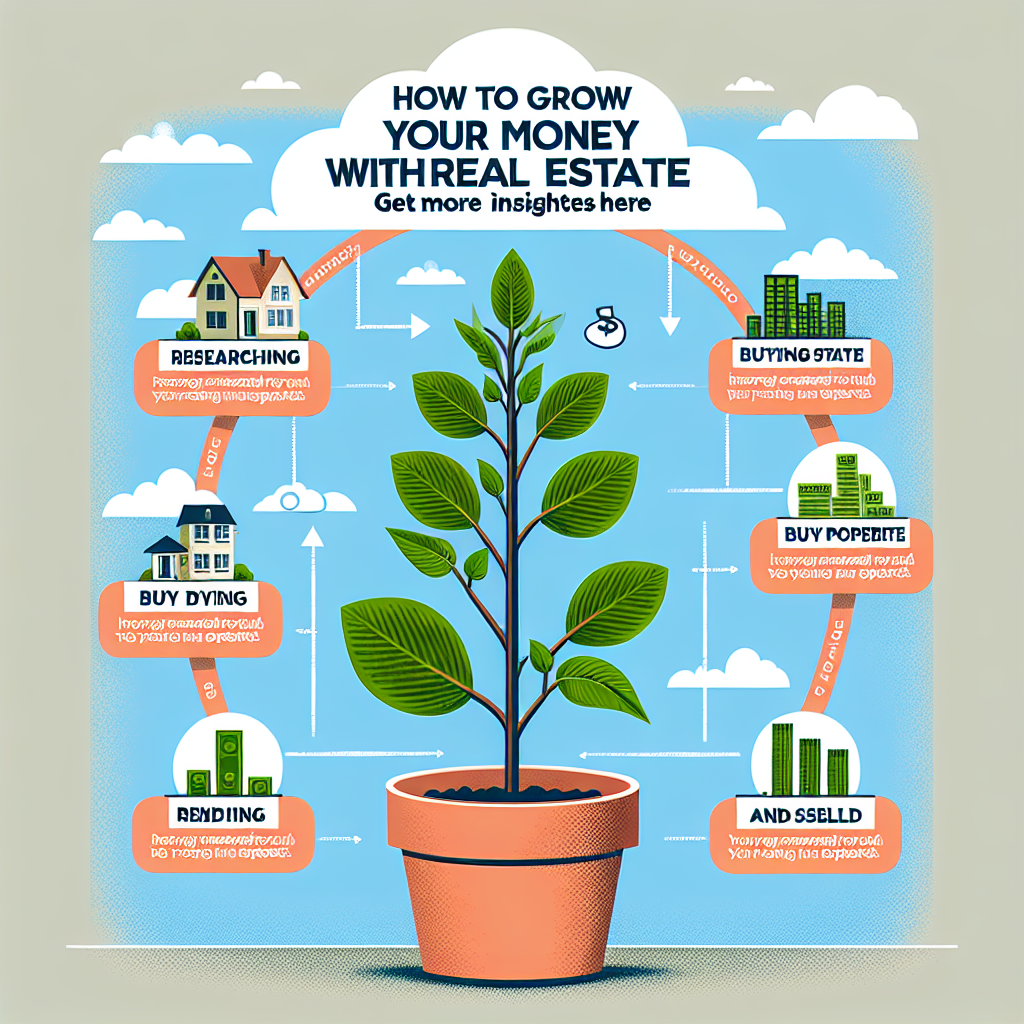
How To Grow Your Money With Real Estate
Visit Link
Learn How To Build Wealth With Property
Visit Link
How To Build Wealth With Real Estate
Visit Link
How To Invest In Real Estate And Grow Steady Wealth
Visit Link