How To Build Wealth With Real Estate
Understanding the Basics of Real Estate Investment
Real estate investment is often considered one of the most effective ways to build wealth over time. At its core, real estate involves purchasing properties—residential, commercial, or land—with the intent of generating income or capital appreciation. Understanding the fundamental principles of real estate investing, including market trends, property valuation, and financing options, is crucial for any aspiring investor.
Before diving into the market, it’s essential to conduct thorough research. Familiarize yourself with local property laws, zoning regulations, and the overall economic environment. This groundwork will help you identify lucrative opportunities and make informed decisions as you embark on your investment journey.
Strategies for Successful Real Estate Investment
There are several strategies you can employ to build wealth through real estate. One of the most popular methods is rental property investment, where individuals buy properties and lease them to tenants. This approach generates a steady stream of passive income while the property appreciates over time.
Another strategy is house flipping, where investors purchase undervalued properties, renovate them, and sell them at a higher price. While this method can yield significant profits, it requires a keen eye for potential and a willingness to invest time and money into renovations. Additionally, real estate investment trusts (REITs) offer a way to invest in real estate without owning physical properties, allowing individuals to diversify their portfolios easily.
Building a Sustainable Real Estate Portfolio
As you venture into real estate investment, it’s important to think long-term. Building a sustainable portfolio involves diversifying your investments across different property types and locations. This strategy not only minimizes risk but also maximizes potential returns. For instance, combining residential properties with commercial real estate can provide a cushion during economic downturns.
Networking with other investors, real estate professionals, and mentors can also provide valuable insights and opportunities. By attending seminars, joining local investment groups, or participating in online forums, you can gain knowledge and build relationships that may lead to profitable partnerships and ventures.
Finally, proper financial management is critical. Keeping track of expenses, understanding cash flow, and being aware of tax implications will ensure that your investments remain profitable. With careful planning and a strategic approach, real estate can be a powerful vehicle for wealth building.
In conclusion, while the path to building wealth through real estate requires dedication and effort, the potential rewards make it a worthwhile pursuit. Whether through rental properties, flipping, or investing in REITs, there are numerous avenues to explore. Start by educating yourself, developing a clear strategy, and taking informed steps toward your financial goals.
Related Content

Beste Wasmachines En Drogers Voor Senioren In Nederland 2025 – Bekijk De Lijst
Visit Link
Guía De Precios Del Libro Azul 2025 Para Autos Usados En México
Visit Link
Learn About The Best Investments for 2026
Visit Link
Learn What To Invest In For 2026
Visit Link
Learn Top Investment Ideas For 2026
Visit Link
Learn Smart Investment Options for 2026
Visit Link
Learn Where To Invest In 2026
Visit Link
Learn About The Best Investments for 2026
Visit Link
Learn What To Invest In For 2026
Visit Link
Learn Top Investment Ideas For 2026
Visit Link
Learn Smart Investment Options for 2026
Visit Link
Learn Where To Invest In 2026
Visit Link
Learn How To Build Wealth With Real Estate
Visit Link
Unlocking Financial Freedom: Learn Real Estate Wealth Strategies
Visit Link
Learn How Real Estate Grows Wealth
Visit Link
Explore How To Build Wealth With Real Estate
Visit Link
Discover Real Estate Wealth Building
Visit Link
Learn How To Build Wealth With Real Estate
Visit Link
Unlocking Financial Freedom: Learn Real Estate Wealth Strategies
Visit Link
Learn How Real Estate Grows Wealth
Visit Link
Explore How To Build Wealth With Real Estate
Visit Link
Discover Real Estate Wealth Building
Visit Link
Learn How To Build Wealth With Property
Visit Link
How To Build Wealth With Real Estate
Visit Link
How To Invest In Real Estate And Grow Steady Wealth
Visit Link
How To Grow Your Money With Real Estate
Visit Link
Learn How To Build Wealth With Property
Visit Link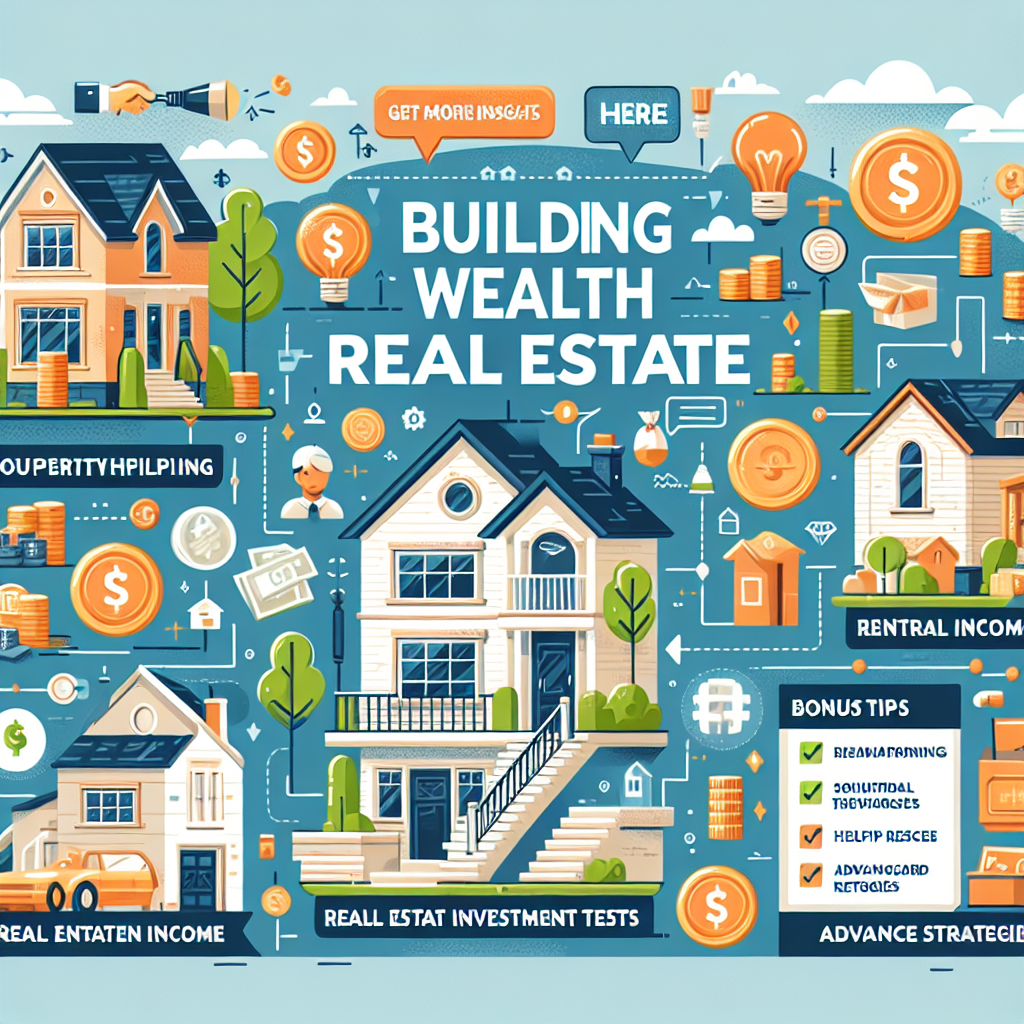
How To Build Wealth With Real Estate
Visit Link
How To Invest In Real Estate And Grow Steady Wealth
Visit Link