Investments 2026: Navigating the Future of Finance
Understanding the Investment Landscape
As we approach 2026, the investment landscape is poised for significant transformation. Economic indicators, technological advancements, and shifting consumer behaviors are all influencing how individuals and institutions allocate their resources. Investors must remain informed and adaptable to thrive in this evolving environment.
One of the key trends shaping investments in 2026 is the rise of sustainable and socially responsible investing. With increasing awareness of climate change and social issues, many investors are prioritizing companies that demonstrate a commitment to environmental, social, and governance (ESG) criteria. This shift not only reflects a moral stance but also recognizes the long-term financial benefits of investing in responsible businesses.
Key Investment Strategies for 2026
To successfully navigate the investment landscape of 2026, investors should consider a diverse range of strategies. Diversification remains a cornerstone of sound investment practice, allowing investors to mitigate risks associated with market volatility. By spreading investments across various asset classes—such as stocks, bonds, real estate, and commodities—investors can better shield their portfolios from downturns.
Moreover, leveraging technology in investment strategies is increasingly vital. Algorithmic trading, robo-advisors, and fintech innovations provide investors with tools to optimize their portfolios and enhance decision-making. Staying abreast of these technological advancements can give investors a competitive edge and improve their overall investment outcomes.
Getting More Insights on Investments 2026
For those looking to deepen their understanding of investments in 2026, a wealth of resources is available. Financial news outlets, investment blogs, and expert webinars can provide valuable insights and analysis. Engaging with industry professionals and participating in investment forums can also facilitate knowledge sharing and networking opportunities.
Moreover, it is crucial to keep an eye on global economic trends, such as inflation rates, interest rate changes, and geopolitical developments. These factors can significantly impact market dynamics and investment performance. By staying informed and proactive, investors can position themselves to capitalize on emerging opportunities and navigate challenges effectively.
Related Content

Beste Wasmachines En Drogers Voor Senioren In Nederland 2025 – Bekijk De Lijst
Visit Link
Guía De Precios Del Libro Azul 2025 Para Autos Usados En México
Visit Link
Learn About The Best Investments for 2026
Visit Link
Learn What To Invest In For 2026
Visit Link
Learn Top Investment Ideas For 2026
Visit Link
Learn Smart Investment Options for 2026
Visit Link
Learn Where To Invest In 2026
Visit Link
Learn About The Best Investments for 2026
Visit Link
Learn What To Invest In For 2026
Visit Link
Learn Top Investment Ideas For 2026
Visit Link
Learn Smart Investment Options for 2026
Visit Link
Learn Where To Invest In 2026
Visit Link
Learn How To Build Wealth With Real Estate
Visit Link
Unlocking Financial Freedom: Learn Real Estate Wealth Strategies
Visit Link
Learn How Real Estate Grows Wealth
Visit Link
Explore How To Build Wealth With Real Estate
Visit Link
Discover Real Estate Wealth Building
Visit Link
Learn How To Build Wealth With Real Estate
Visit Link
Unlocking Financial Freedom: Learn Real Estate Wealth Strategies
Visit Link
Learn How Real Estate Grows Wealth
Visit Link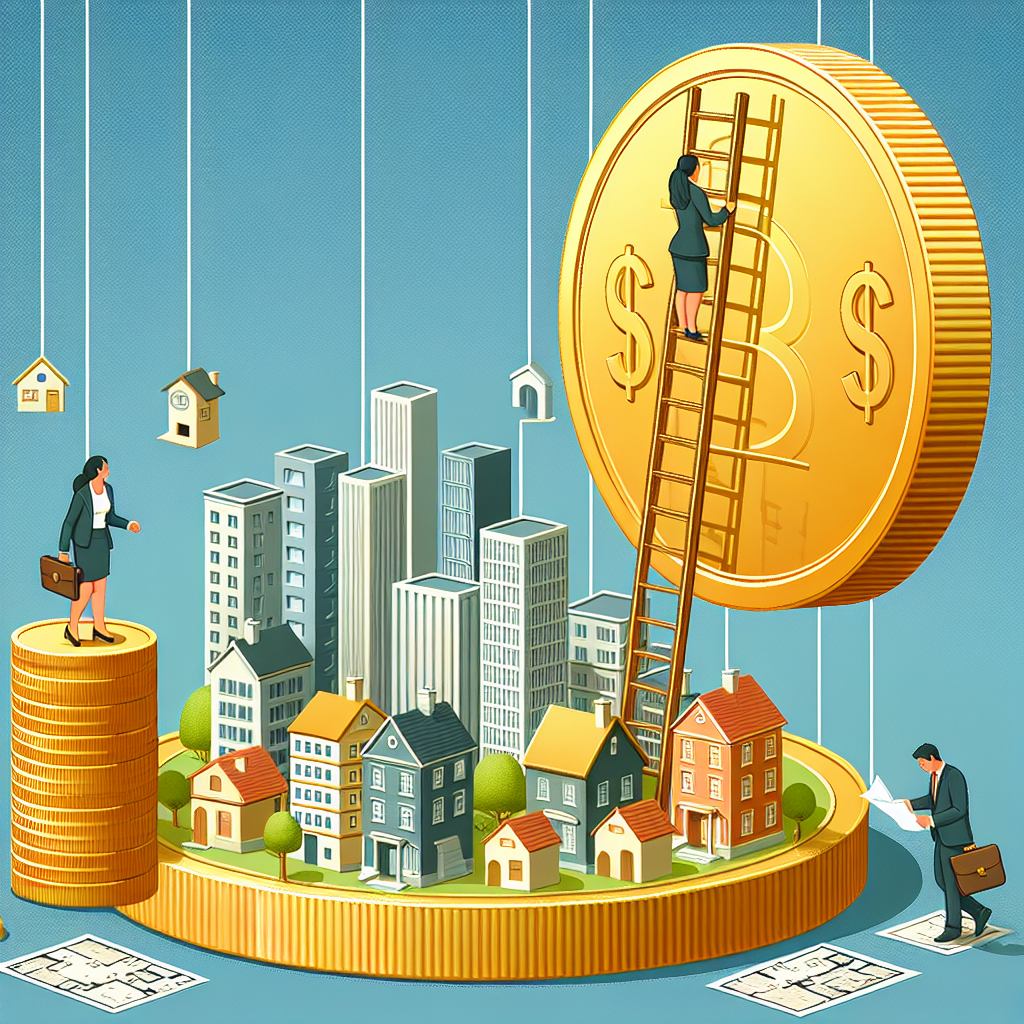
Explore How To Build Wealth With Real Estate
Visit Link
Discover Real Estate Wealth Building
Visit Link
Learn How To Build Wealth With Property
Visit Link
How To Build Wealth With Real Estate
Visit Link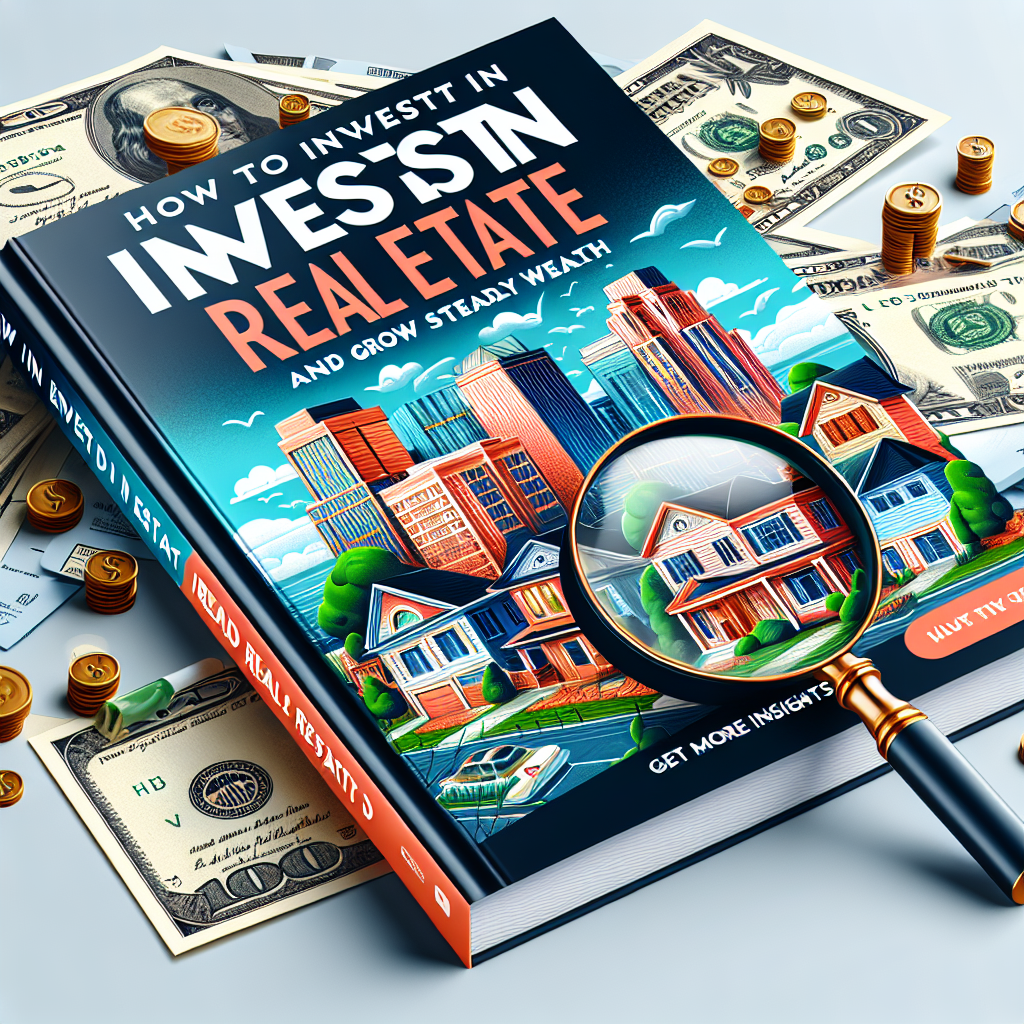
How To Invest In Real Estate And Grow Steady Wealth
Visit Link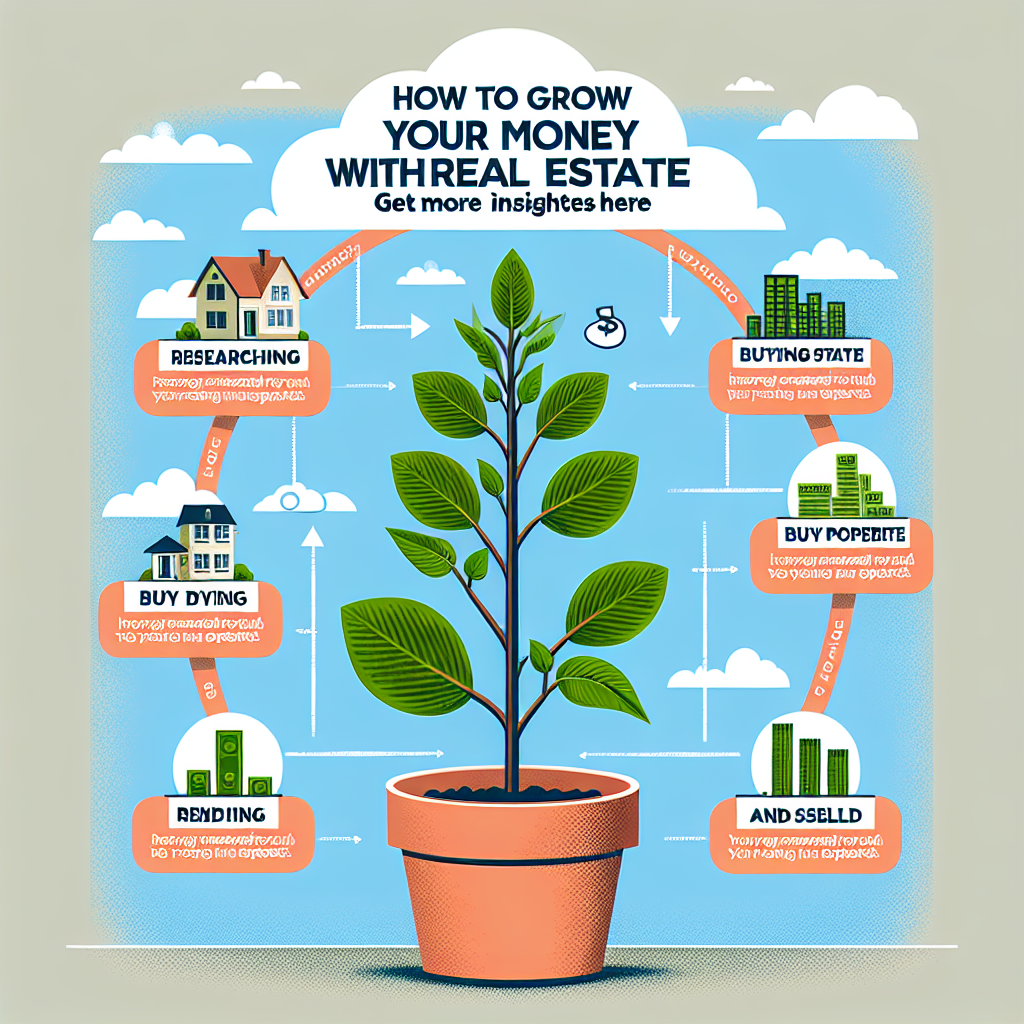
How To Grow Your Money With Real Estate
Visit Link
Learn How To Build Wealth With Property
Visit Link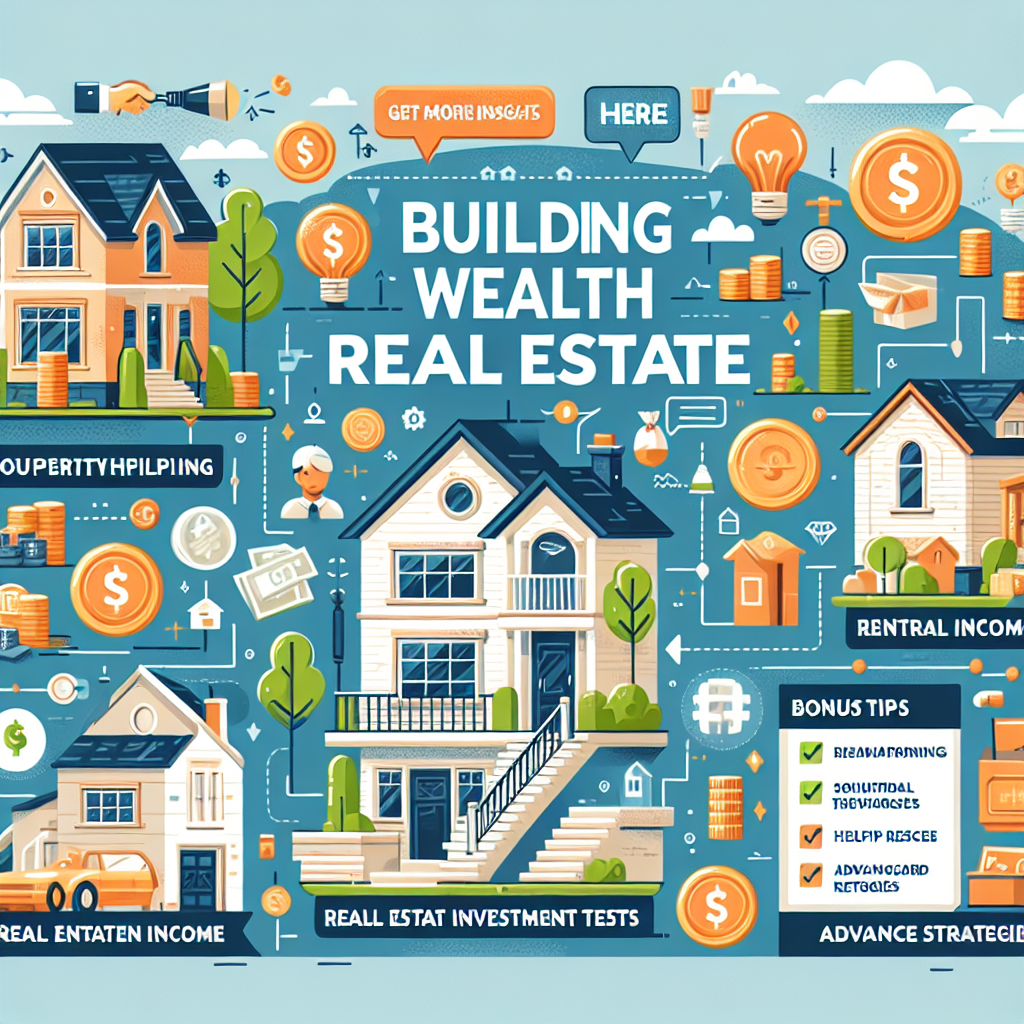
How To Build Wealth With Real Estate
Visit Link
How To Invest In Real Estate And Grow Steady Wealth
Visit Link