How To Find The Best Performing Assets Right Now
Understanding Asset Performance
In todays ever-changing financial landscape, identifying the best performing assets can feel like searching for a needle in a haystack. Asset performance is influenced by a multitude of factors, including market trends, economic indicators, and investor sentiment. To effectively assess which assets are thriving, one must first understand the key metrics used to gauge performance. These may include return on investment (ROI), price volatility, and liquidity, among others.
Investors often rely on both fundamental and technical analysis to evaluate asset performance. Fundamental analysis examines the intrinsic value of an asset based on economic and financial factors, while technical analysis focuses on historical price patterns and market behavior. By combining these approaches, investors can gain a clearer picture of which assets are currently performing well and which ones may be poised for growth.
Tools and Resources for Asset Evaluation
To find the best performing assets right now, leveraging the right tools and resources is essential. Online financial platforms, stock screeners, and investment analysis software can provide critical insights into asset performance. Websites like Yahoo Finance, Bloomberg, and Morningstar offer comprehensive data, including charts and performance metrics that can help investors make informed decisions.
Another valuable resource is financial news outlets and market research reports, which often highlight trends and forecasts for various asset classes. Staying updated with market news can also provide context for price movements and help investors understand the underlying factors driving asset performance.
Strategies for Maximizing Returns
Once you have identified the best performing assets, its crucial to implement effective strategies to maximize your returns. Diversification is one key strategy, as it helps mitigate risk by spreading investments across various asset classes. Rather than concentrating all your capital in one area, consider a balanced portfolio that includes a mix of stocks, bonds, real estate, and alternative investments.
Additionally, staying disciplined with your investment approach is vital. Setting clear goals, establishing risk tolerance, and regularly reviewing your portfolio can help ensure that you remain aligned with your financial objectives. Don’t forget to take advantage of dollar-cost averaging, which involves investing a fixed amount regularly, regardless of market conditions. This strategy can reduce the impact of volatility and help you build a stronger portfolio over time.
In conclusion, finding the best performing assets requires a combination of research, analysis, and strategic planning. By understanding asset performance metrics, utilizing the right tools, and implementing sound investment strategies, you can position yourself to take advantage of market opportunities. For more insights on navigating the current financial landscape, be sure to explore additional resources and stay informed about emerging trends.
Related Content

Beste Wasmachines En Drogers Voor Senioren In Nederland 2025 – Bekijk De Lijst
Visit Link
Guía De Precios Del Libro Azul 2025 Para Autos Usados En México
Visit Link
Learn About The Best Investments for 2026
Visit Link
Learn What To Invest In For 2026
Visit Link
Learn Top Investment Ideas For 2026
Visit Link
Learn Smart Investment Options for 2026
Visit Link
Learn Where To Invest In 2026
Visit Link
Learn About The Best Investments for 2026
Visit Link
Learn What To Invest In For 2026
Visit Link
Learn Top Investment Ideas For 2026
Visit Link
Learn Smart Investment Options for 2026
Visit Link
Learn Where To Invest In 2026
Visit Link
Learn How To Build Wealth With Real Estate
Visit Link
Unlocking Financial Freedom: Learn Real Estate Wealth Strategies
Visit Link
Learn How Real Estate Grows Wealth
Visit Link
Explore How To Build Wealth With Real Estate
Visit Link
Discover Real Estate Wealth Building
Visit Link
Learn How To Build Wealth With Real Estate
Visit Link
Unlocking Financial Freedom: Learn Real Estate Wealth Strategies
Visit Link
Learn How Real Estate Grows Wealth
Visit Link
Explore How To Build Wealth With Real Estate
Visit Link
Discover Real Estate Wealth Building
Visit Link
Learn How To Build Wealth With Property
Visit Link
How To Build Wealth With Real Estate
Visit Link
How To Invest In Real Estate And Grow Steady Wealth
Visit Link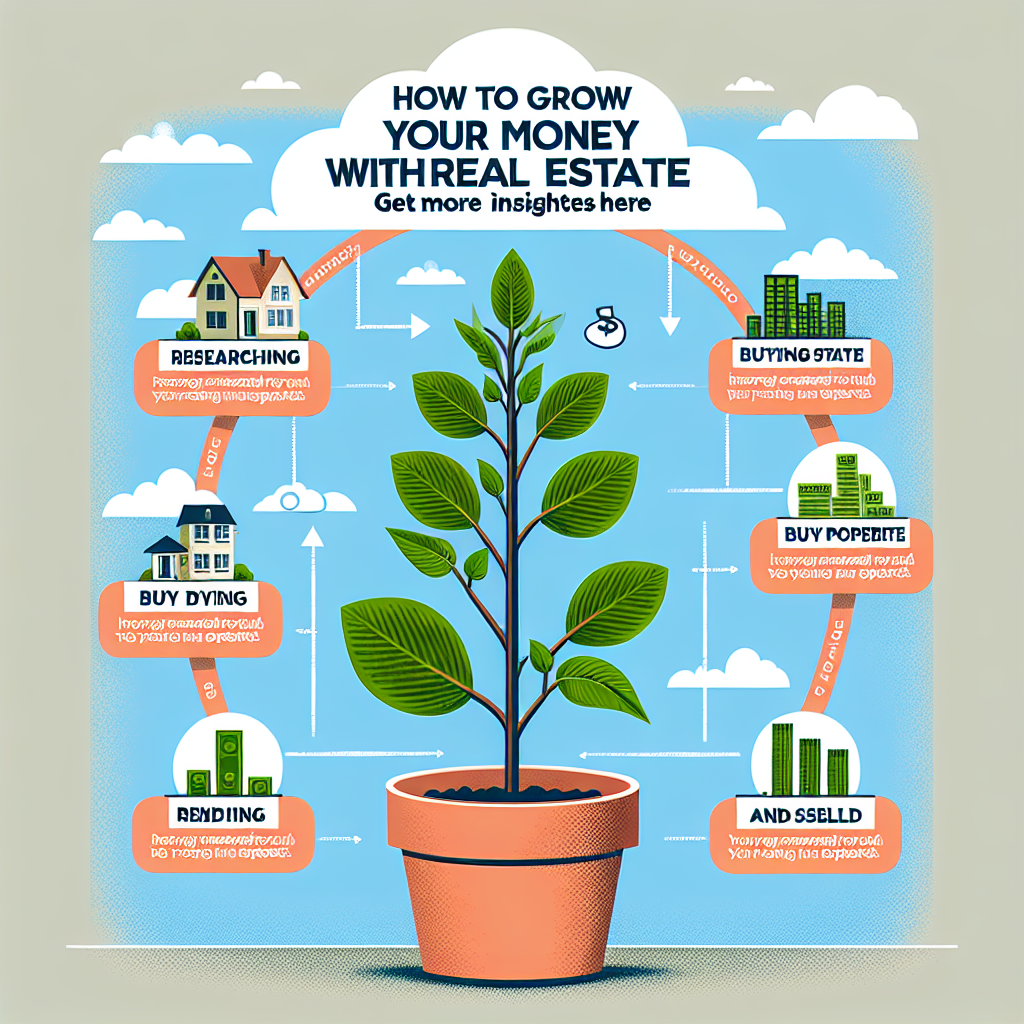
How To Grow Your Money With Real Estate
Visit Link
Learn How To Build Wealth With Property
Visit Link
How To Build Wealth With Real Estate
Visit Link
How To Invest In Real Estate And Grow Steady Wealth
Visit Link