How To Invest In Real Estate And Grow Steady Wealth
Understanding the Basics of Real Estate Investment
Investing in real estate can be a lucrative way to build wealth over time. It involves purchasing properties with the intention of generating income or appreciation. The first step for any potential investor is to understand the different types of real estate investments available, including residential, commercial, and industrial properties. Each category offers unique opportunities and risks, making it essential to align your investment strategy with your financial goals.
For instance, residential properties, such as single-family homes or multi-unit apartments, can provide steady rental income. Commercial properties, such as office spaces or retail buildings, often require larger investments but can yield higher returns. Understanding the market dynamics of these sectors is crucial to making informed decisions.
Finding the Right Property
Once you have a grasp of the basics, the next step is to identify the right property. Conducting thorough market research is essential. Look for areas with strong growth potential, such as neighborhoods undergoing revitalization or regions with increasing job opportunities. Tools like local real estate listings, online platforms, and networking with real estate agents can help you find promising properties.
Additionally, consider the propertys condition, location, and the potential for appreciation. Properties in desirable locations tend to retain their value better and can attract reliable tenants if you plan to rent them out. Don’t forget to conduct a cost analysis, taking into account purchase price, renovation costs, and potential rental income to ensure the investment is financially viable.
Financing Your Real Estate Investment
Financing is a critical component of real estate investing. Many investors opt for traditional mortgages, but alternative financing options are available, such as hard money loans, private lenders, or partnerships. Each option has its pros and cons, and its essential to choose the one that aligns with your investment strategy and risk tolerance.
Before committing to a financing option, assess your financial situation, including your credit score, income, and debt-to-income ratio. A strong financial profile will not only help you secure better loan terms but also increase your chances of success in your investment endeavors.
Strategies for Long-Term Wealth Growth
Investing in real estate is not just about purchasing properties; it also involves strategic management to maximize returns. Effective property management, whether done personally or through a property management company, can significantly impact your investments profitability. Regular maintenance, tenant management, and timely rent collection are vital components of successful property management.
Furthermore, consider diversifying your portfolio by investing in different property types or locations. This strategy can mitigate risks and provide multiple income streams. Additionally, staying informed about market trends, property values, and local regulations will empower you to make proactive decisions that enhance your investment performance.
Conclusion
Investing in real estate can be a rewarding journey towards building steady wealth. With the right knowledge, research, and strategic planning, anyone can navigate the complexities of the real estate market. Start with a solid foundation, find the right properties, secure appropriate financing, and employ effective management strategies to set yourself up for long-term success in real estate investing.
Related Content

Beste Wasmachines En Drogers Voor Senioren In Nederland 2025 – Bekijk De Lijst
Visit Link
Guía De Precios Del Libro Azul 2025 Para Autos Usados En México
Visit Link
Learn About The Best Investments for 2026
Visit Link
Learn What To Invest In For 2026
Visit Link
Learn Top Investment Ideas For 2026
Visit Link
Learn Smart Investment Options for 2026
Visit Link
Learn Where To Invest In 2026
Visit Link
Learn About The Best Investments for 2026
Visit Link
Learn What To Invest In For 2026
Visit Link
Learn Top Investment Ideas For 2026
Visit Link
Learn Smart Investment Options for 2026
Visit Link
Learn Where To Invest In 2026
Visit Link
Learn How To Build Wealth With Real Estate
Visit Link
Unlocking Financial Freedom: Learn Real Estate Wealth Strategies
Visit Link
Learn How Real Estate Grows Wealth
Visit Link
Explore How To Build Wealth With Real Estate
Visit Link
Discover Real Estate Wealth Building
Visit Link
Learn How To Build Wealth With Real Estate
Visit Link
Unlocking Financial Freedom: Learn Real Estate Wealth Strategies
Visit Link
Learn How Real Estate Grows Wealth
Visit Link
Explore How To Build Wealth With Real Estate
Visit Link
Discover Real Estate Wealth Building
Visit Link
Learn How To Build Wealth With Property
Visit Link
How To Build Wealth With Real Estate
Visit Link
How To Invest In Real Estate And Grow Steady Wealth
Visit Link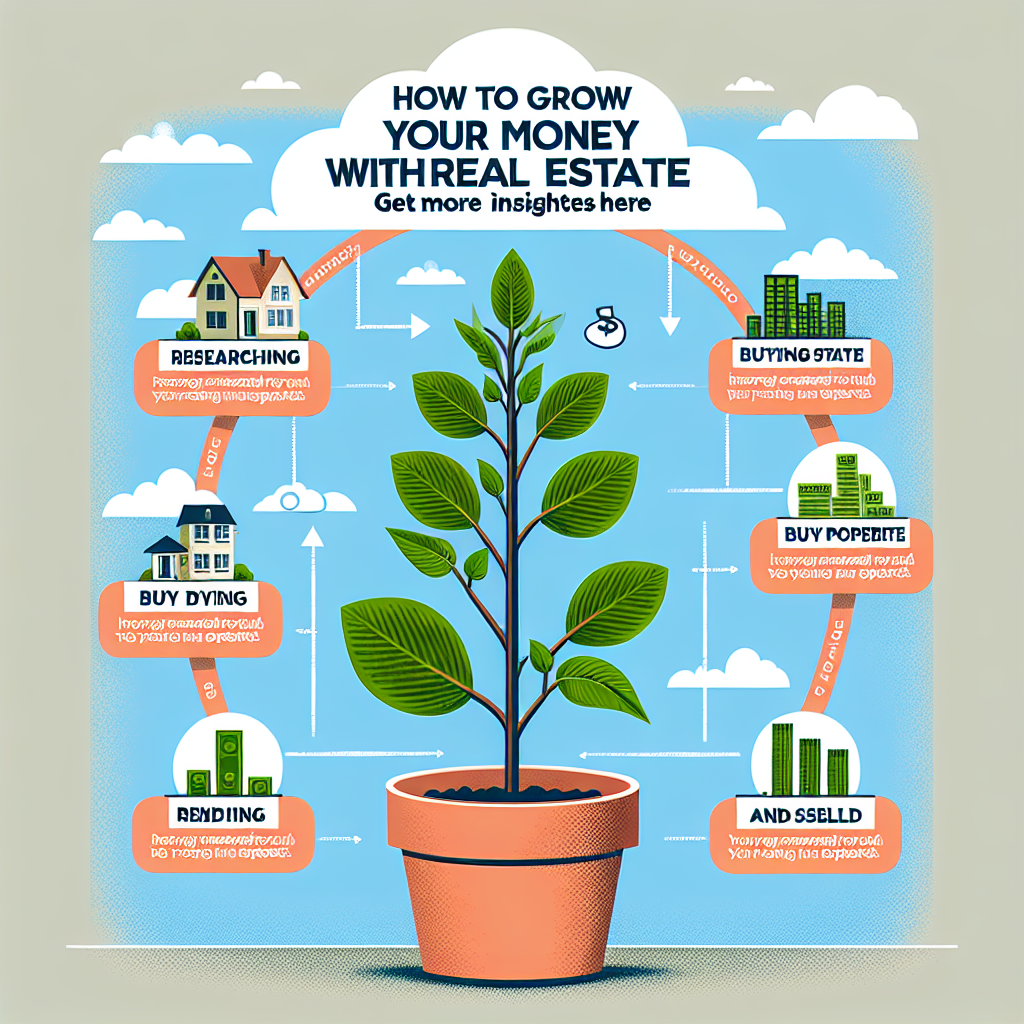
How To Grow Your Money With Real Estate
Visit Link
Learn How To Build Wealth With Property
Visit Link
How To Build Wealth With Real Estate
Visit Link
How To Invest In Real Estate And Grow Steady Wealth
Visit Link