How To Invest In Real Estate And Grow Steady Wealth
Understanding Real Estate Investment
Investing in real estate is one of the most effective strategies for building long-term wealth. Unlike other investment avenues, real estate has the potential to provide consistent cash flow, tax advantages, and appreciation in value over time. However, before diving into the market, it is crucial to understand the different types of real estate investments available, including residential, commercial, and real estate investment trusts (REITs).
Each type of investment comes with its unique set of risks and rewards. For instance, residential properties are often easier to finance and manage, while commercial properties may yield higher returns but require more extensive market knowledge and larger capital outlays. Understanding these distinctions is key to making informed decisions and selecting the right investment strategy for your financial goals.
Creating a Real Estate Investment Plan
Once you have a grasp of the types of real estate investments, the next step is to create a solid investment plan. This plan should outline your investment goals, budget, and the time frame for your investments. Consider your financial situation and how much capital you can allocate to real estate without jeopardizing your overall financial health.
Additionally, research the local real estate market to identify areas with strong growth potential. Look for neighborhoods with rising property values, low vacancy rates, and a robust rental demand. Networking with local real estate agents, attending property investment seminars, and joining online forums can provide valuable insights into market trends and opportunities.
Financing Your Real Estate Investment
Financing is a critical component of real estate investment. Traditional mortgages are the most common means of financing, but there are various options available, including hard money loans, partnerships, and seller financing. Each option has its advantages and disadvantages, and understanding these can help you choose the best approach for your situation.
Regardless of the financing method, maintaining a solid credit score and a manageable debt-to-income ratio is essential. Investors should also factor in costs such as property taxes, maintenance, property management fees, and insurance when calculating their return on investment. A well-structured financial plan will not only secure funding but also position you for sustainable growth in your real estate portfolio.
Building and Managing Your Real Estate Portfolio
After acquiring your first property, focus on building and managing your real estate portfolio effectively. This requires continuous education about the market and investment strategies, as well as a proactive approach to property management. Consider hiring a property management company if you own multiple rental properties, as they can handle day-to-day operations and tenant relations, allowing you to focus on expanding your portfolio.
Lastly, always keep an eye on market trends and be prepared to adapt your strategy as necessary. Real estate is not a "set it and forget it" investment; it requires active engagement and periodic evaluation to ensure that your investments align with your financial objectives. By staying informed and proactive, you can grow steady wealth through real estate investment.
Related Content

Beste Wasmachines En Drogers Voor Senioren In Nederland 2025 – Bekijk De Lijst
Visit Link
Guía De Precios Del Libro Azul 2025 Para Autos Usados En México
Visit Link
Learn About The Best Investments for 2026
Visit Link
Learn What To Invest In For 2026
Visit Link
Learn Top Investment Ideas For 2026
Visit Link
Learn Smart Investment Options for 2026
Visit Link
Learn Where To Invest In 2026
Visit Link
Learn About The Best Investments for 2026
Visit Link
Learn What To Invest In For 2026
Visit Link
Learn Top Investment Ideas For 2026
Visit Link
Learn Smart Investment Options for 2026
Visit Link
Learn Where To Invest In 2026
Visit Link
Learn How To Build Wealth With Real Estate
Visit Link
Unlocking Financial Freedom: Learn Real Estate Wealth Strategies
Visit Link
Learn How Real Estate Grows Wealth
Visit Link
Explore How To Build Wealth With Real Estate
Visit Link
Discover Real Estate Wealth Building
Visit Link
Learn How To Build Wealth With Real Estate
Visit Link
Unlocking Financial Freedom: Learn Real Estate Wealth Strategies
Visit Link
Learn How Real Estate Grows Wealth
Visit Link
Explore How To Build Wealth With Real Estate
Visit Link
Discover Real Estate Wealth Building
Visit Link
Learn How To Build Wealth With Property
Visit Link
How To Build Wealth With Real Estate
Visit Link
How To Invest In Real Estate And Grow Steady Wealth
Visit Link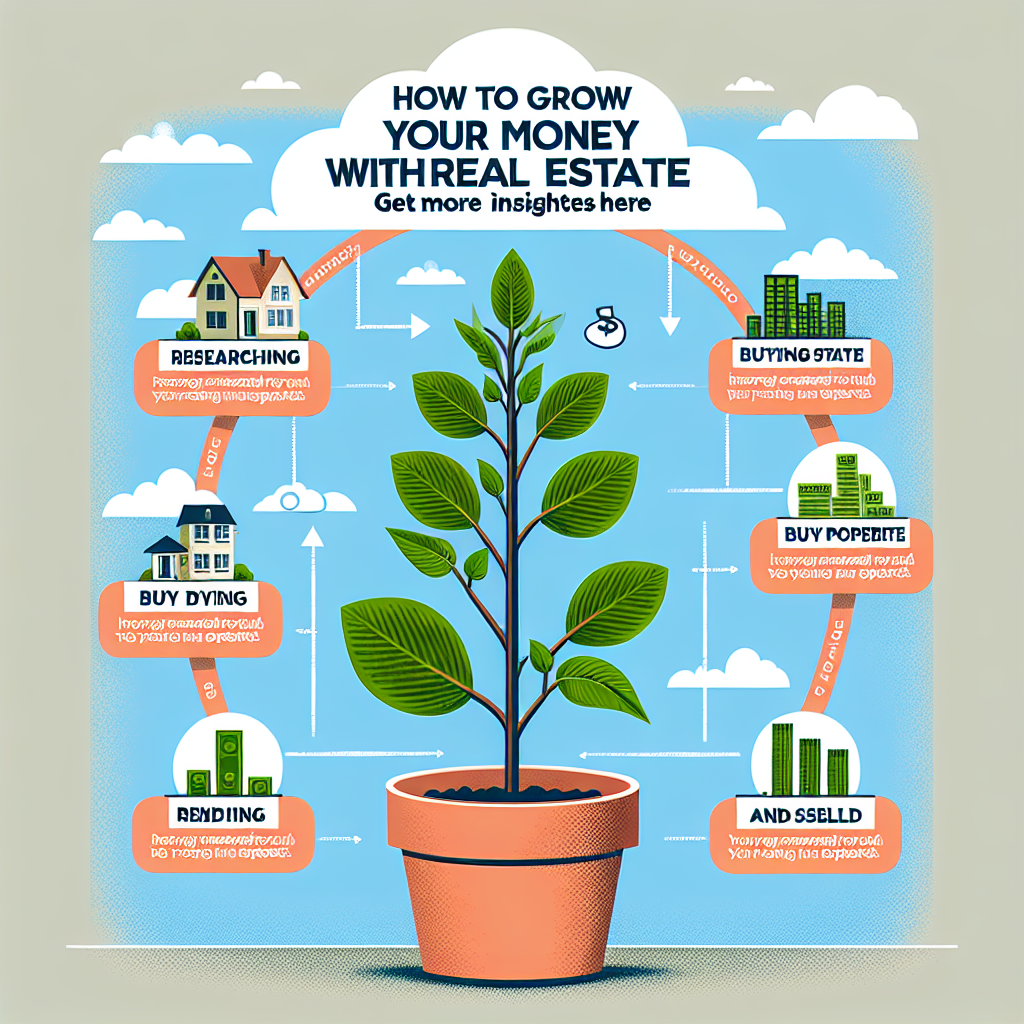
How To Grow Your Money With Real Estate
Visit Link
Learn How To Build Wealth With Property
Visit Link
How To Build Wealth With Real Estate
Visit Link
How To Invest In Real Estate And Grow Steady Wealth
Visit Link