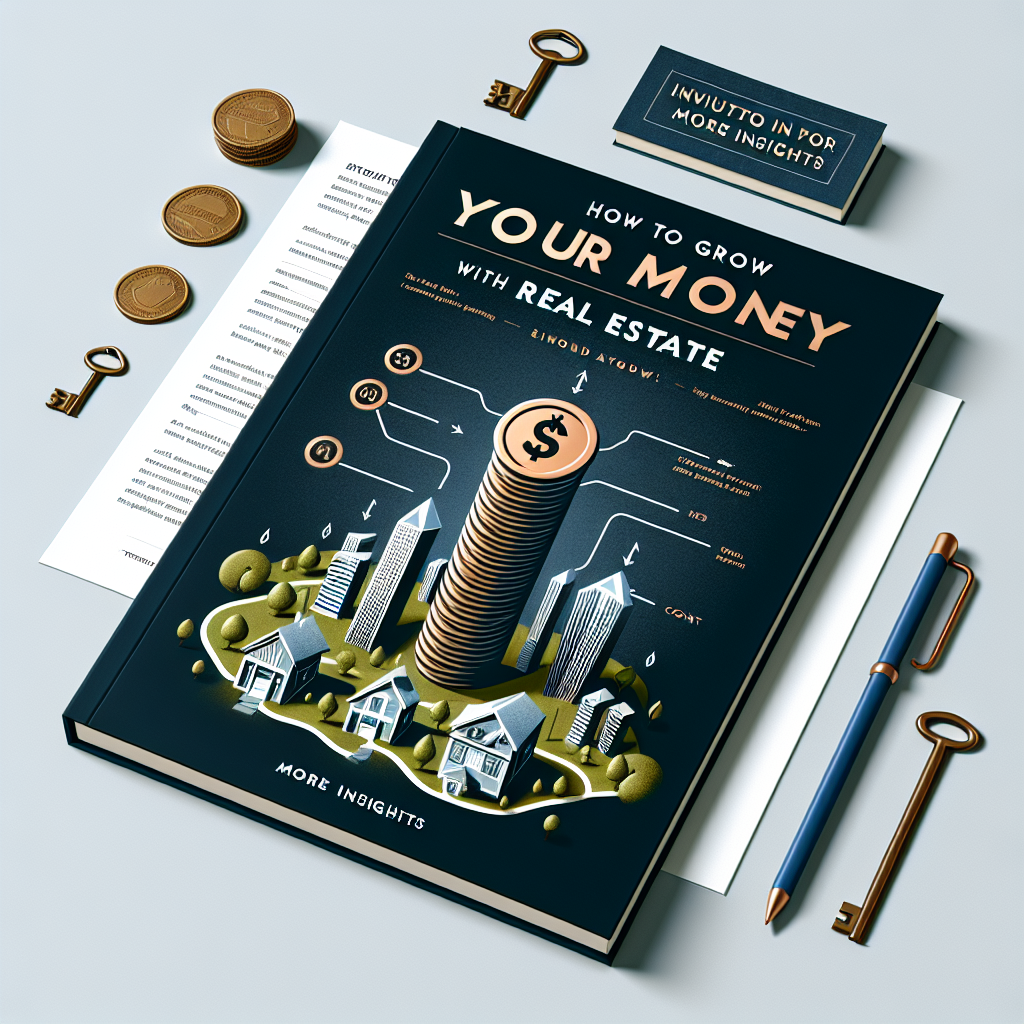
Learn How To Build Wealth With Property
Understanding the Basics of Property Investment
Investing in property is a time-tested strategy for building wealth. At its core, property investment involves purchasing real estate with the expectation that its value will appreciate over time. This appreciation can lead to significant profits when the property is sold. Additionally, property can provide a steady stream of passive income through rentals, making it an attractive option for many investors.
Before diving into property investment, it’s crucial to understand the different types of real estate available. Residential properties, commercial properties, and land are the primary categories. Each has its own advantages and challenges, and the right choice depends on your financial goals, risk tolerance, and market conditions.
The Importance of Research and Planning
Successful property investment requires thorough research and careful planning. Start by analyzing your local real estate market to identify trends, potential growth areas, and the types of properties that are in demand. Tools such as market reports, online property listings, and networking within the real estate community can provide valuable insights.
Additionally, create a detailed investment plan that outlines your financial objectives, budget, financing options, and timelines. This plan will serve as a roadmap, helping you stay focused and make informed decisions as you navigate the complexities of property investment.
Financing Your Property Investment
One of the most critical aspects of building wealth through property is understanding your financing options. Many investors use mortgages to purchase real estate, which allows them to leverage their capital and invest in higher-value properties. However, it’s essential to have a clear understanding of the associated costs, including interest rates, fees, and the impact of market fluctuations on your investment.
Consider seeking advice from financial advisors or mortgage brokers who can help you navigate the financing landscape and find the best options for your situation. Exploring alternative financing methods, such as partnerships or real estate crowdfunding, can also open up new opportunities for investment.
Maximizing Returns Through Strategic Management
Once you’ve acquired a property, effective management is key to maximizing your returns. This includes maintaining the property, managing tenants, and ensuring that your investment remains profitable. Regular maintenance can prevent costly repairs down the line, while thorough tenant screening can lead to more stable rental income.
Furthermore, consider enhancing the property’s value through renovations or upgrades. Simple improvements, such as modernizing kitchens and bathrooms or improving curb appeal, can attract higher-paying tenants and increase your property’s market value.
In conclusion, building wealth with property is a viable strategy that requires knowledge, planning, and effective management. By understanding the market, securing the right financing, and actively managing your investment, you can create a robust portfolio that generates long-term financial security. Interested in learning more? Get More Insights Here.
Related Content

Beste Wasmachines En Drogers Voor Senioren In Nederland 2025 – Bekijk De Lijst
Visit Link
Guía De Precios Del Libro Azul 2025 Para Autos Usados En México
Visit Link
Learn About The Best Investments for 2026
Visit Link
Learn What To Invest In For 2026
Visit Link
Learn Top Investment Ideas For 2026
Visit Link
Learn Smart Investment Options for 2026
Visit Link
Learn Where To Invest In 2026
Visit Link
Learn About The Best Investments for 2026
Visit Link
Learn What To Invest In For 2026
Visit Link
Learn Top Investment Ideas For 2026
Visit Link
Learn Smart Investment Options for 2026
Visit Link
Learn Where To Invest In 2026
Visit Link
Learn How To Build Wealth With Real Estate
Visit Link
Unlocking Financial Freedom: Learn Real Estate Wealth Strategies
Visit Link
Learn How Real Estate Grows Wealth
Visit Link
Explore How To Build Wealth With Real Estate
Visit Link
Discover Real Estate Wealth Building
Visit Link
Learn How To Build Wealth With Real Estate
Visit Link
Unlocking Financial Freedom: Learn Real Estate Wealth Strategies
Visit Link
Learn How Real Estate Grows Wealth
Visit Link
Explore How To Build Wealth With Real Estate
Visit Link
Discover Real Estate Wealth Building
Visit Link
Learn How To Build Wealth With Property
Visit Link
How To Build Wealth With Real Estate
Visit Link
How To Invest In Real Estate And Grow Steady Wealth
Visit Link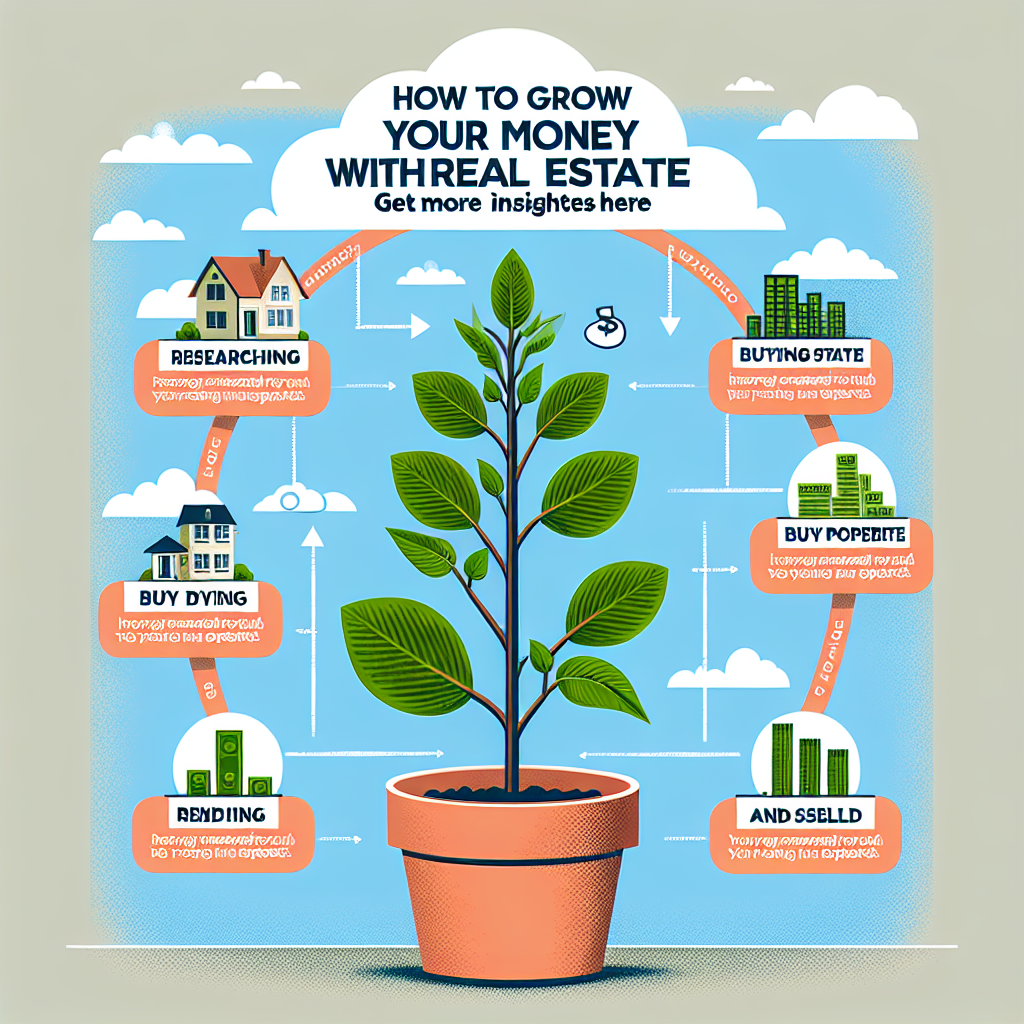
How To Grow Your Money With Real Estate
Visit Link
Learn How To Build Wealth With Property
Visit Link
How To Build Wealth With Real Estate
Visit Link
How To Invest In Real Estate And Grow Steady Wealth
Visit Link