How To Build Wealth With Real Estate
Understanding Real Estate Investment
Investing in real estate can be a powerful strategy for building wealth. Unlike stocks or bonds, real estate offers tangible assets that can appreciate over time. The key to successful real estate investing lies in understanding the market dynamics, the types of properties available, and how to finance your investments effectively.
There are several ways to invest in real estate, including purchasing rental properties, flipping houses, or investing in real estate investment trusts (REITs). Each of these strategies has its own risk and return profile, making it essential for potential investors to assess their financial goals and risk tolerance before diving in.
Creating a Real Estate Investment Plan
A well-structured investment plan is crucial for success in real estate. Start by defining your investment goals—are you looking for short-term gains or long-term wealth accumulation? Assess your current financial situation to determine how much capital you can allocate to real estate investments.
Next, research the local real estate market. Understand the trends, property values, and rental rates in areas you are interested in. This knowledge will help you make informed decisions when purchasing properties. Networking with local real estate agents and attending investment seminars can also provide valuable insights and help you stay updated on market conditions.
Financing Your Real Estate Investments
Financing is often the most significant hurdle for new real estate investors. Traditional mortgages, private lenders, and hard money loans are some of the options available. Each financing method has its advantages and disadvantages, so its essential to research and choose the one that aligns with your investment strategy.
Additionally, consider leveraging your existing assets to fund your real estate ventures. For instance, a home equity loan can provide the necessary capital for your first investment property. Remember to factor in all costs associated with real estate ownership, including property taxes, maintenance, and insurance, to ensure you have a clear understanding of your cash flow.
Building a Sustainable Portfolio
Once youve made your first investment, the key to building wealth through real estate is scalability. As you gain experience and confidence, consider diversifying your portfolio by investing in different types of properties or expanding into new markets. This diversification can help mitigate risks and increase your potential returns.
Regularly review your portfolios performance and be prepared to make adjustments as needed. Real estate markets can fluctuate, and staying informed about economic conditions and trends will help you make timely decisions that can enhance your investment outcomes.
Conclusion
Building wealth with real estate is a journey that requires careful planning, research, and a willingness to learn. By understanding the fundamentals of real estate investment, creating a solid plan, securing the right financing, and building a diversified portfolio, you can set yourself on the path to financial independence.
So, how to build wealth with real estate? Start your journey today by gaining more insights into the market and strategizing your investments wisely!
Related Content

Beste Wasmachines En Drogers Voor Senioren In Nederland 2025 – Bekijk De Lijst
Visit Link
Guía De Precios Del Libro Azul 2025 Para Autos Usados En México
Visit Link
Learn About The Best Investments for 2026
Visit Link
Learn What To Invest In For 2026
Visit Link
Learn Top Investment Ideas For 2026
Visit Link
Learn Smart Investment Options for 2026
Visit Link
Learn Where To Invest In 2026
Visit Link
Learn About The Best Investments for 2026
Visit Link
Learn What To Invest In For 2026
Visit Link
Learn Top Investment Ideas For 2026
Visit Link
Learn Smart Investment Options for 2026
Visit Link
Learn Where To Invest In 2026
Visit Link
Learn How To Build Wealth With Real Estate
Visit Link
Unlocking Financial Freedom: Learn Real Estate Wealth Strategies
Visit Link
Learn How Real Estate Grows Wealth
Visit Link
Explore How To Build Wealth With Real Estate
Visit Link
Discover Real Estate Wealth Building
Visit Link
Learn How To Build Wealth With Real Estate
Visit Link
Unlocking Financial Freedom: Learn Real Estate Wealth Strategies
Visit Link
Learn How Real Estate Grows Wealth
Visit Link
Explore How To Build Wealth With Real Estate
Visit Link
Discover Real Estate Wealth Building
Visit Link
Learn How To Build Wealth With Property
Visit Link
How To Build Wealth With Real Estate
Visit Link
How To Invest In Real Estate And Grow Steady Wealth
Visit Link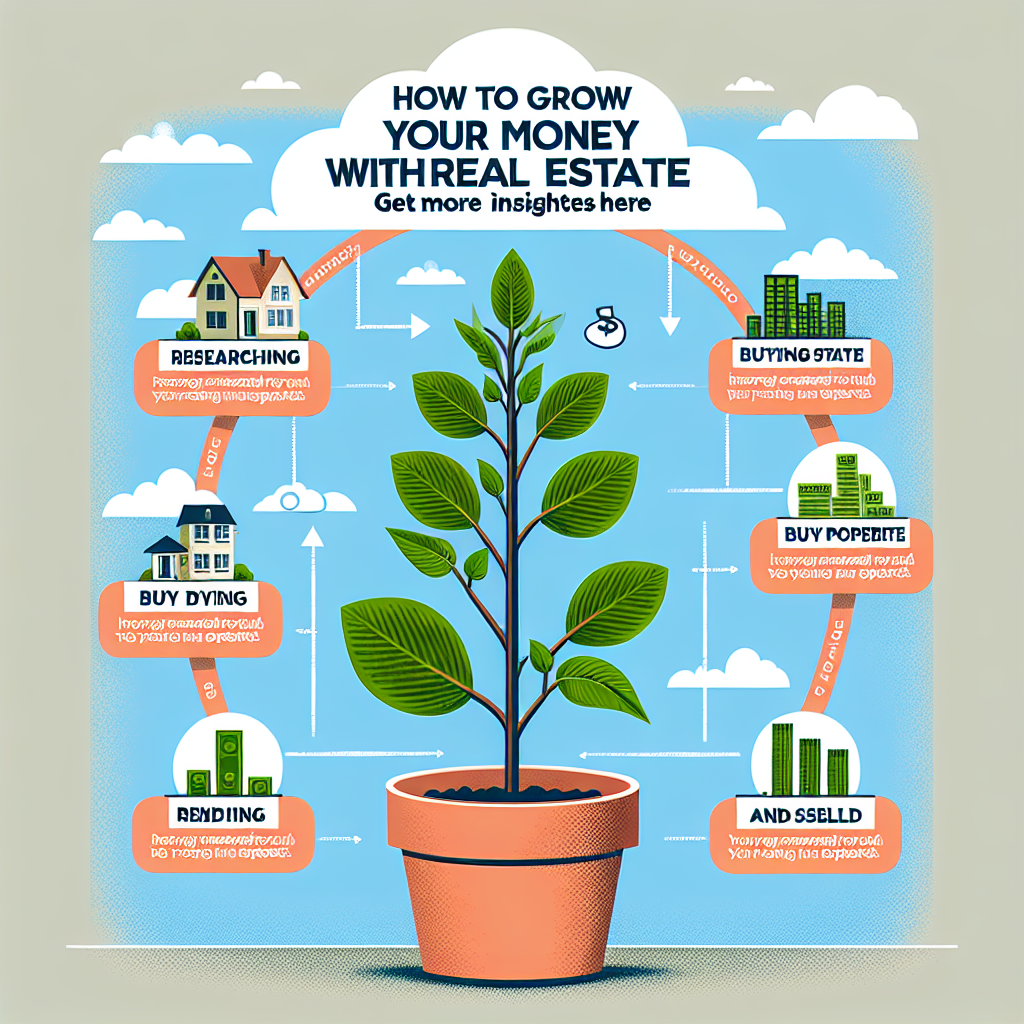
How To Grow Your Money With Real Estate
Visit Link
Learn How To Build Wealth With Property
Visit Link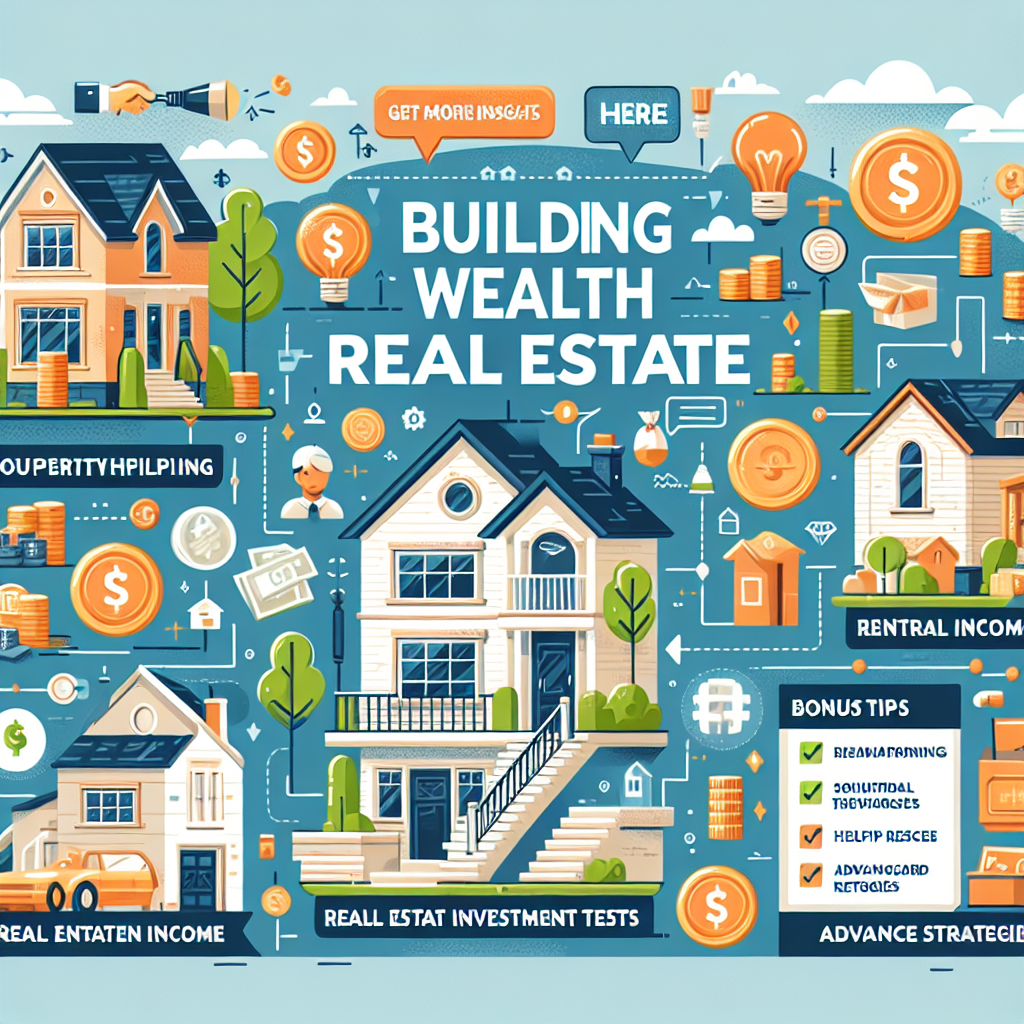
How To Build Wealth With Real Estate
Visit Link
How To Invest In Real Estate And Grow Steady Wealth
Visit Link