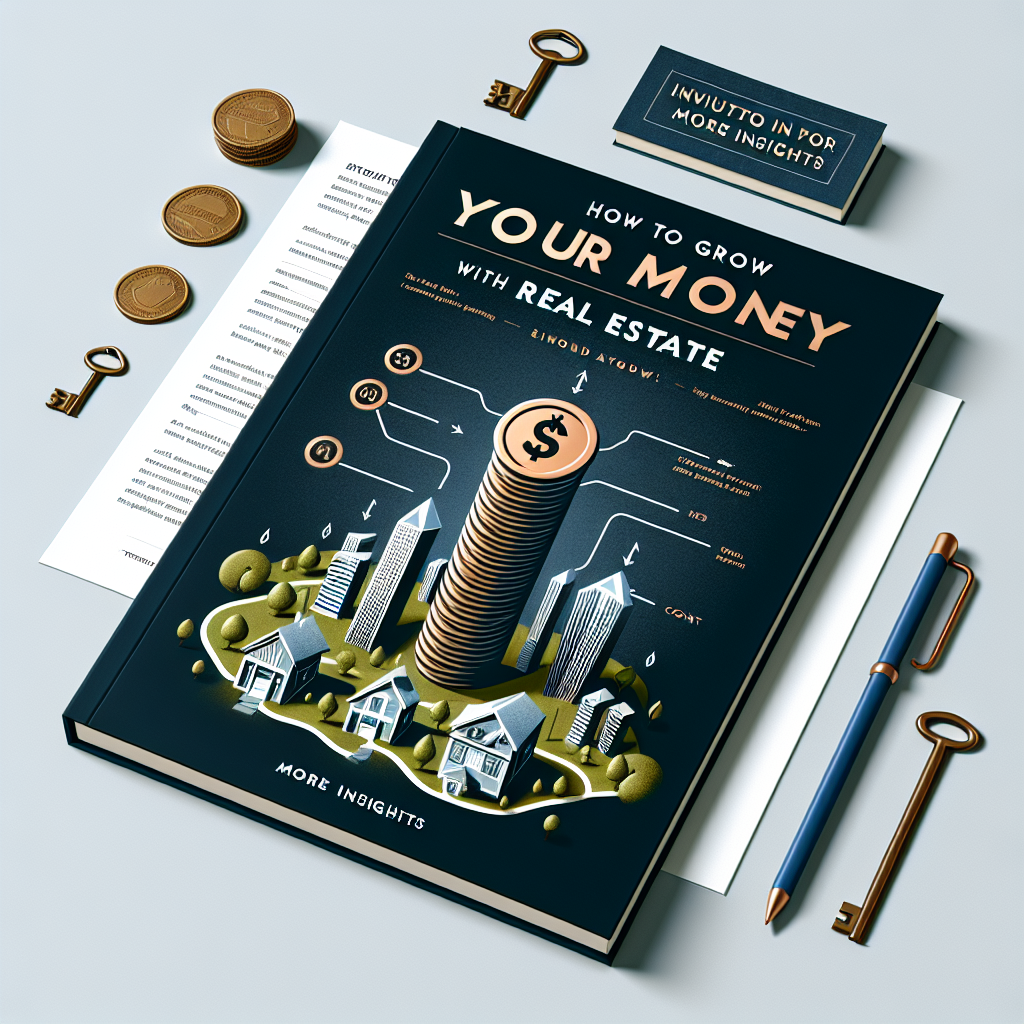
How To Invest In Real Estate And Grow Steady Wealth
Understanding Real Estate Investment
Investing in real estate has long been considered one of the most reliable methods for generating wealth and building a secure financial future. Unlike stocks or bonds, real estate can provide tangible assets that appreciate over time. Whether you are a first-time investor or looking to expand your existing portfolio, understanding the basics of real estate investment is crucial.
The first step in real estate investment is to educate yourself on the various types of properties available. Residential properties, commercial buildings, and industrial real estate each have unique characteristics and investment requirements. Doing thorough research on the market trends and local economies will help you identify the right opportunity that aligns with your financial goals.
Strategies for Successful Investment
Once you have a foundational understanding of real estate, it’s essential to develop a solid investment strategy. One of the most common approaches is rental property investment, where you purchase a property to rent out. This strategy can generate a steady stream of passive income while the property appreciates in value over time. However, being a landlord comes with responsibilities, including maintenance and tenant management.
Another popular strategy is house flipping, where investors purchase properties at a lower price, renovate them, and sell them at a profit. While this method can yield quick returns, it requires a keen eye for potential properties and a solid understanding of renovation costs. Regardless of the strategy you choose, it’s crucial to have a clear plan and budget to ensure your investments are financially sound.
Building Wealth Through Real Estate
Investing in real estate can significantly contribute to long-term wealth accumulation. One of the key advantages is leveraging; by using borrowed funds to purchase a property, you can control a larger asset with a smaller initial investment. This means that as the property value increases, your equity grows, leading to substantial wealth over time.
Additionally, real estate investment offers tax benefits, such as deductions for mortgage interest and property depreciation. These incentives can enhance your overall return on investment and make real estate an attractive option for wealth building. However, it’s vital to consult with financial and tax professionals to maximize these benefits and ensure compliance with applicable laws.
In conclusion, investing in real estate requires thorough research, strategic planning, and a willingness to manage risks. By understanding the market, choosing the right investment strategy, and leveraging your assets effectively, you can grow steady wealth through real estate investment. Start your journey today and explore the financial opportunities that await in the real estate market.
Related Content

Beste Wasmachines En Drogers Voor Senioren In Nederland 2025 – Bekijk De Lijst
Visit Link
Guía De Precios Del Libro Azul 2025 Para Autos Usados En México
Visit Link
Learn About The Best Investments for 2026
Visit Link
Learn What To Invest In For 2026
Visit Link
Learn Top Investment Ideas For 2026
Visit Link
Learn Smart Investment Options for 2026
Visit Link
Learn Where To Invest In 2026
Visit Link
Learn About The Best Investments for 2026
Visit Link
Learn What To Invest In For 2026
Visit Link
Learn Top Investment Ideas For 2026
Visit Link
Learn Smart Investment Options for 2026
Visit Link
Learn Where To Invest In 2026
Visit Link
Learn How To Build Wealth With Real Estate
Visit Link
Unlocking Financial Freedom: Learn Real Estate Wealth Strategies
Visit Link
Learn How Real Estate Grows Wealth
Visit Link
Explore How To Build Wealth With Real Estate
Visit Link
Discover Real Estate Wealth Building
Visit Link
Learn How To Build Wealth With Real Estate
Visit Link
Unlocking Financial Freedom: Learn Real Estate Wealth Strategies
Visit Link
Learn How Real Estate Grows Wealth
Visit Link
Explore How To Build Wealth With Real Estate
Visit Link
Discover Real Estate Wealth Building
Visit Link
Learn How To Build Wealth With Property
Visit Link
How To Build Wealth With Real Estate
Visit Link
How To Invest In Real Estate And Grow Steady Wealth
Visit Link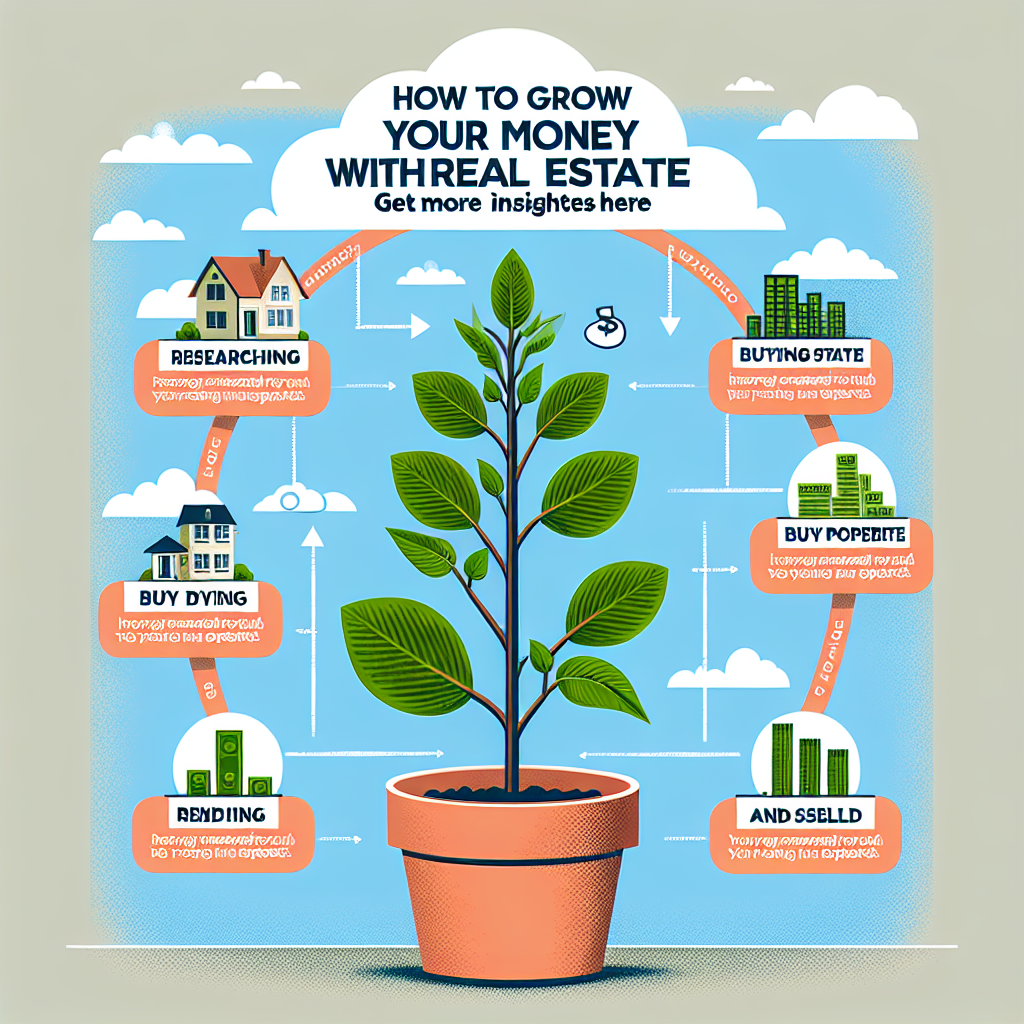
How To Grow Your Money With Real Estate
Visit Link
Learn How To Build Wealth With Property
Visit Link
How To Build Wealth With Real Estate
Visit Link
How To Invest In Real Estate And Grow Steady Wealth
Visit Link