New Ways To Invest Money In 2026
Emerging Investment Platforms
As we look toward 2026, the landscape of investment opportunities is evolving rapidly. With technology at the forefront, a new wave of investment platforms is gaining traction. These platforms leverage artificial intelligence and machine learning to analyze market trends and provide personalized investment strategies. For instance, robo-advisors are becoming increasingly sophisticated, offering tailored portfolios that align with individual risk tolerances and financial goals. This democratization of investment management is making it easier for novice investors to enter the market.
Additionally, decentralized finance (DeFi) platforms are making waves by allowing users to lend, borrow, and earn interest on their digital assets without traditional banking intermediaries. This shift not only enhances accessibility but also offers potentially higher returns, attracting a younger generation of investors eager to explore alternative financial systems.
Sustainable and Impact Investing
Investors are increasingly prioritizing sustainability, leading to a significant rise in impact investing. By 2026, a growing number of funds will focus on companies that adhere to environmental, social, and governance (ESG) criteria. Investors are not just looking for financial returns; they are also seeking to make a positive impact on society and the environment. This trend is pushing companies to adopt more sustainable practices, as consumers become more conscious of their purchasing decisions.
Moreover, green bonds and ESG-focused mutual funds are becoming mainstream investment options. Investors can support renewable energy projects or socially responsible businesses while potentially benefiting from solid returns. As awareness of climate change and social issues continues to rise, impact investing is likely to become a cornerstone of many portfolios in 2026.
Cryptocurrency and Digital Assets
The cryptocurrency market has experienced explosive growth, and by 2026, digital assets are expected to play a significant role in investment strategies. Traditional investors are increasingly allocating portions of their portfolios to cryptocurrencies like Bitcoin and Ethereum, as well as emerging altcoins. The integration of blockchain technology into various sectors is further legitimizing these digital currencies as viable investment options.
In addition, the rise of non-fungible tokens (NFTs) is creating unique opportunities for investors. These digital collectibles are not only reshaping the art and entertainment industries but are also being recognized as alternative investment assets. As more individuals and institutions embrace digital ownership, NFTs could become an integral part of investment portfolios in the coming years.
Conclusion
As we approach 2026, the investment landscape is poised for significant transformation. Emerging technologies, a focus on sustainability, and the rise of digital assets are reshaping how individuals and institutions approach investing. By staying informed and adapting to these changes, investors can uncover new opportunities and build resilient portfolios that align with their financial goals and values. Whether through innovative platforms, sustainable choices, or the allure of cryptocurrencies, the future of investing promises to be dynamic and rewarding.
Related Content

Beste Wasmachines En Drogers Voor Senioren In Nederland 2025 – Bekijk De Lijst
Visit Link
Guía De Precios Del Libro Azul 2025 Para Autos Usados En México
Visit Link
Learn About The Best Investments for 2026
Visit Link
Learn What To Invest In For 2026
Visit Link
Learn Top Investment Ideas For 2026
Visit Link
Learn Smart Investment Options for 2026
Visit Link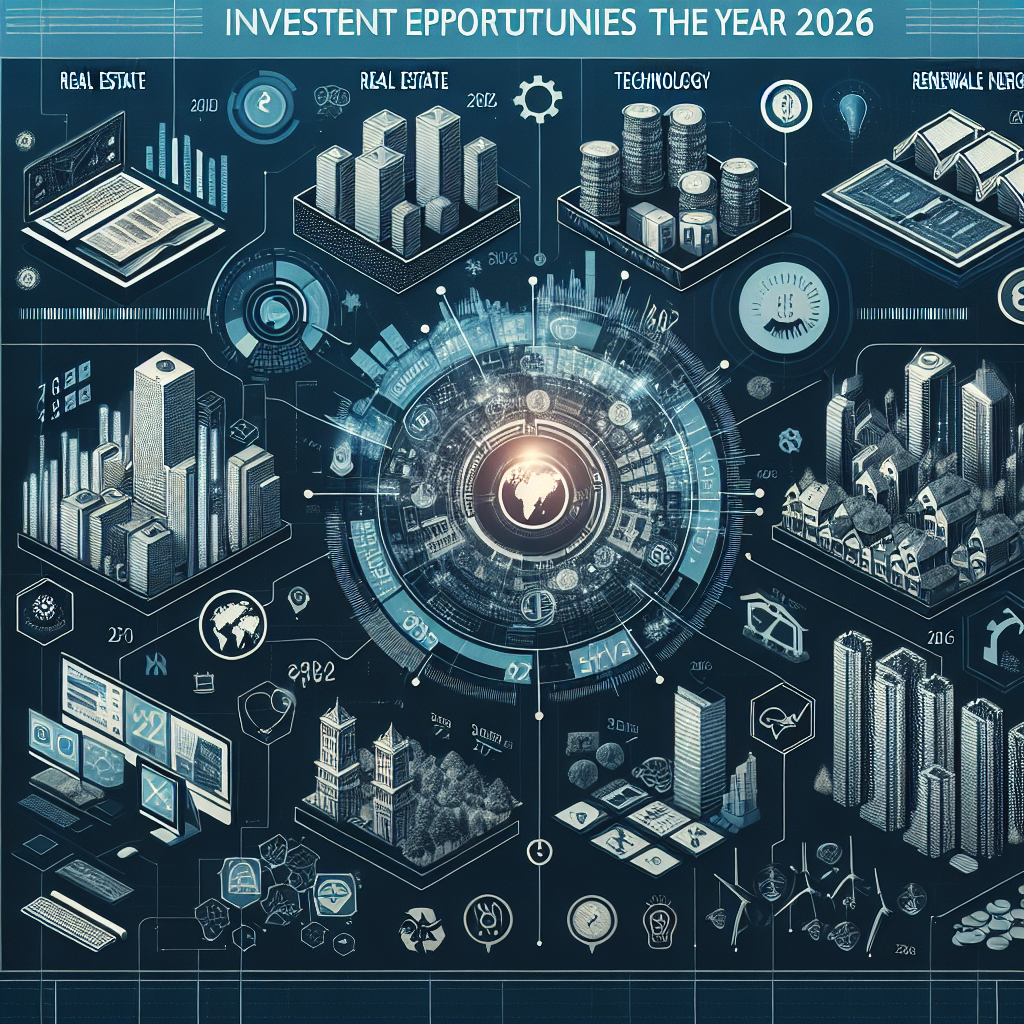
Learn Where To Invest In 2026
Visit Link
Learn About The Best Investments for 2026
Visit Link
Learn What To Invest In For 2026
Visit Link
Learn Top Investment Ideas For 2026
Visit Link
Learn Smart Investment Options for 2026
Visit Link
Learn Where To Invest In 2026
Visit Link
Learn How To Build Wealth With Real Estate
Visit Link
Unlocking Financial Freedom: Learn Real Estate Wealth Strategies
Visit Link
Learn How Real Estate Grows Wealth
Visit Link
Explore How To Build Wealth With Real Estate
Visit Link
Discover Real Estate Wealth Building
Visit Link
Learn How To Build Wealth With Real Estate
Visit Link
Unlocking Financial Freedom: Learn Real Estate Wealth Strategies
Visit Link
Learn How Real Estate Grows Wealth
Visit Link
Explore How To Build Wealth With Real Estate
Visit Link
Discover Real Estate Wealth Building
Visit Link
Learn How To Build Wealth With Property
Visit Link
How To Build Wealth With Real Estate
Visit Link
How To Invest In Real Estate And Grow Steady Wealth
Visit Link
How To Grow Your Money With Real Estate
Visit Link
Learn How To Build Wealth With Property
Visit Link
How To Build Wealth With Real Estate
Visit Link
How To Invest In Real Estate And Grow Steady Wealth
Visit Link