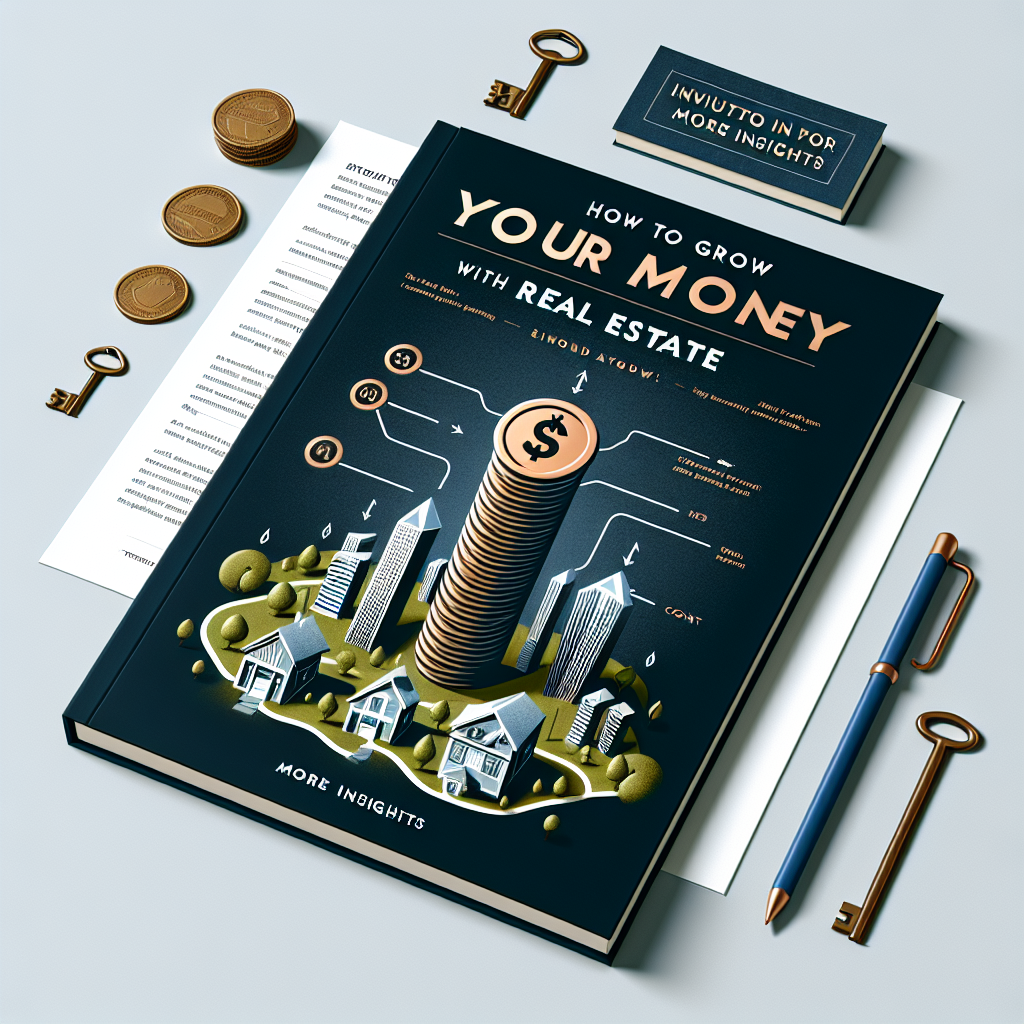
Learn How To Build Wealth With Property
Understanding the Basics of Property Investment
Investing in property is one of the most effective ways to build long-term wealth. Unlike other investment options, real estate has historically provided a stable return on investment and is less volatile compared to stocks and bonds. The first step in property investment is understanding the basics: the different types of properties, market trends, and the financial implications of buying, renting, and selling real estate.
When considering property investment, one must evaluate various asset types such as residential, commercial, and industrial properties. Each category has its distinct advantages and challenges. Residential properties tend to have steady demand, while commercial properties can yield higher returns but may be subject to greater economic fluctuations. Understanding these nuances is key to making informed decisions that align with your financial goals.
Strategies for Successful Property Investment
To build wealth through property, it is essential to adopt effective investment strategies. One popular approach is the buy-and-hold strategy, where investors purchase properties and hold them for an extended period. This allows for capital appreciation and the potential for rental income. Over time, property values typically increase, which can lead to substantial profits when sold.
Another effective strategy is flipping properties, where investors buy undervalued homes, renovate them, and sell them at a profit. This approach requires a keen understanding of the market, as well as renovation costs and timelines. However, with thorough research and planning, flipping can be lucrative and rewarding.
The Importance of Market Research and Financial Planning
Successful property investment hinges on diligent market research. Investors should analyze local real estate markets, looking at factors such as property values, rental rates, and neighborhood trends. This data helps in identifying lucrative opportunities and avoiding pitfalls. It’s also essential to stay informed about economic indicators that could impact the property market, such as interest rates and employment rates.
Equally important is financial planning. Investors need to assess their financial situation, including savings, credit scores, and potential financing options. Creating a realistic budget that includes all costs associated with property investment—such as purchase price, closing costs, taxes, and maintenance—is vital. Consulting with financial advisors or real estate professionals can provide valuable insights and assist in crafting a sound investment strategy.
In conclusion, building wealth through property investment is achievable with the right knowledge, strategies, and planning. Whether you are just starting out or looking to expand your portfolio, understanding the fundamentals of property investment can set the foundation for financial success. Get more insights here and take the first step towards your wealth-building journey.
Related Content

Beste Wasmachines En Drogers Voor Senioren In Nederland 2025 – Bekijk De Lijst
Visit Link
Guía De Precios Del Libro Azul 2025 Para Autos Usados En México
Visit Link
Learn About The Best Investments for 2026
Visit Link
Learn What To Invest In For 2026
Visit Link
Learn Top Investment Ideas For 2026
Visit Link
Learn Smart Investment Options for 2026
Visit Link
Learn Where To Invest In 2026
Visit Link
Learn About The Best Investments for 2026
Visit Link
Learn What To Invest In For 2026
Visit Link
Learn Top Investment Ideas For 2026
Visit Link
Learn Smart Investment Options for 2026
Visit Link
Learn Where To Invest In 2026
Visit Link
Learn How To Build Wealth With Real Estate
Visit Link
Unlocking Financial Freedom: Learn Real Estate Wealth Strategies
Visit Link
Learn How Real Estate Grows Wealth
Visit Link
Explore How To Build Wealth With Real Estate
Visit Link
Discover Real Estate Wealth Building
Visit Link
Learn How To Build Wealth With Real Estate
Visit Link
Unlocking Financial Freedom: Learn Real Estate Wealth Strategies
Visit Link
Learn How Real Estate Grows Wealth
Visit Link
Explore How To Build Wealth With Real Estate
Visit Link
Discover Real Estate Wealth Building
Visit Link
Learn How To Build Wealth With Property
Visit Link
How To Build Wealth With Real Estate
Visit Link
How To Invest In Real Estate And Grow Steady Wealth
Visit Link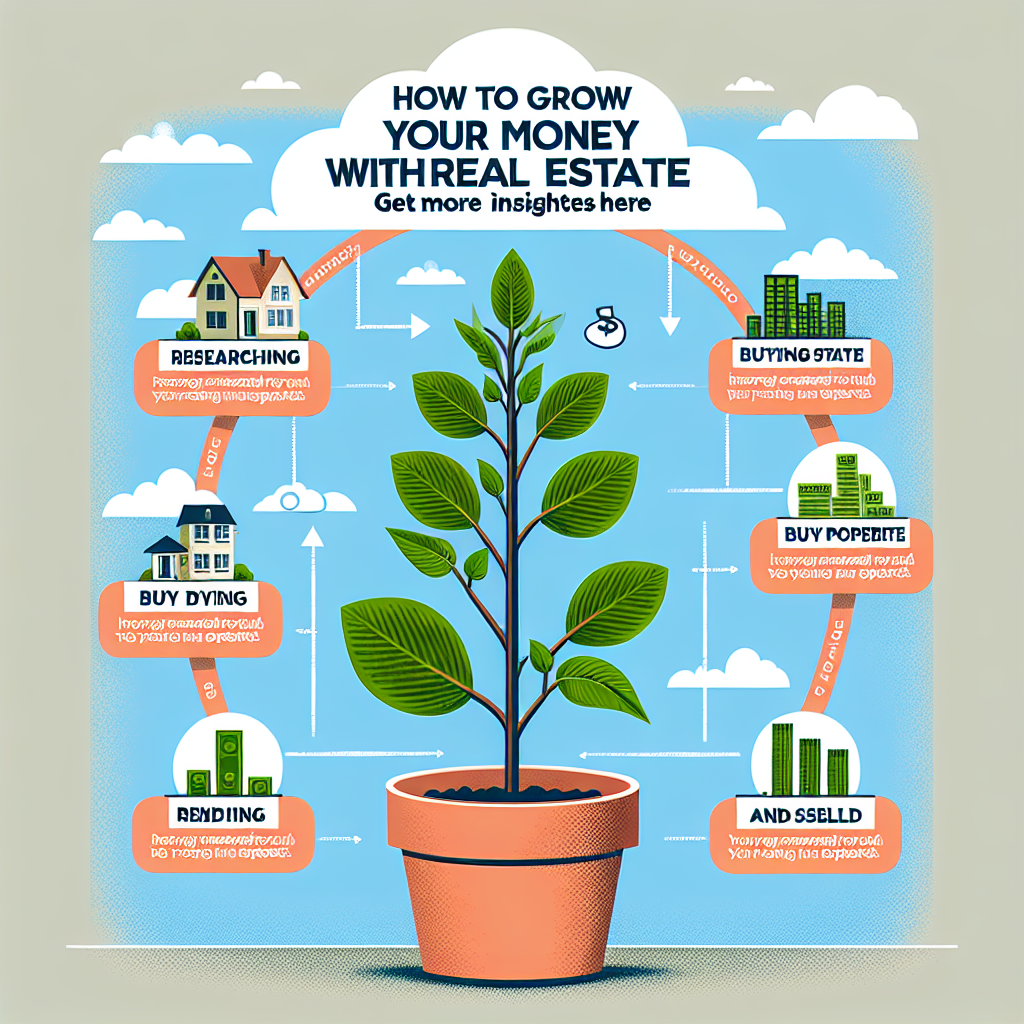
How To Grow Your Money With Real Estate
Visit Link
Learn How To Build Wealth With Property
Visit Link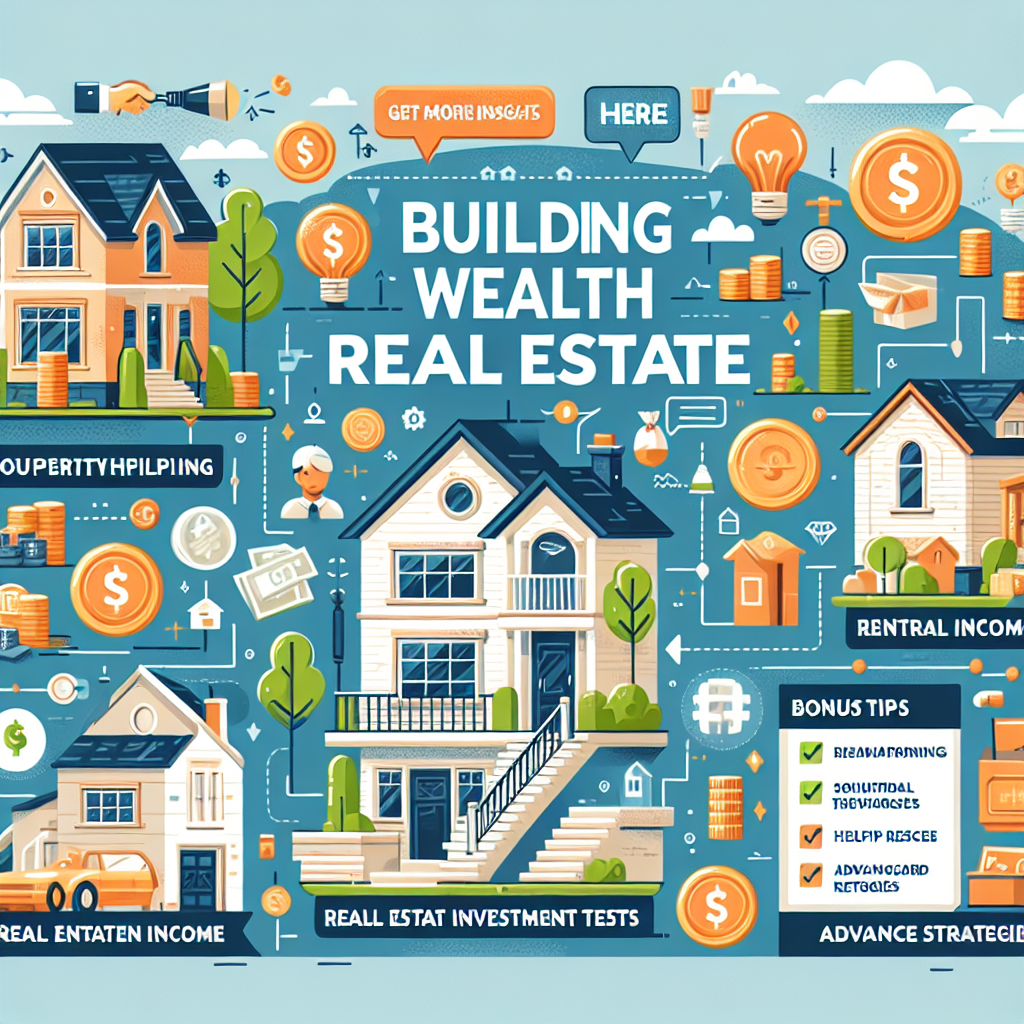
How To Build Wealth With Real Estate
Visit Link
How To Invest In Real Estate And Grow Steady Wealth
Visit Link