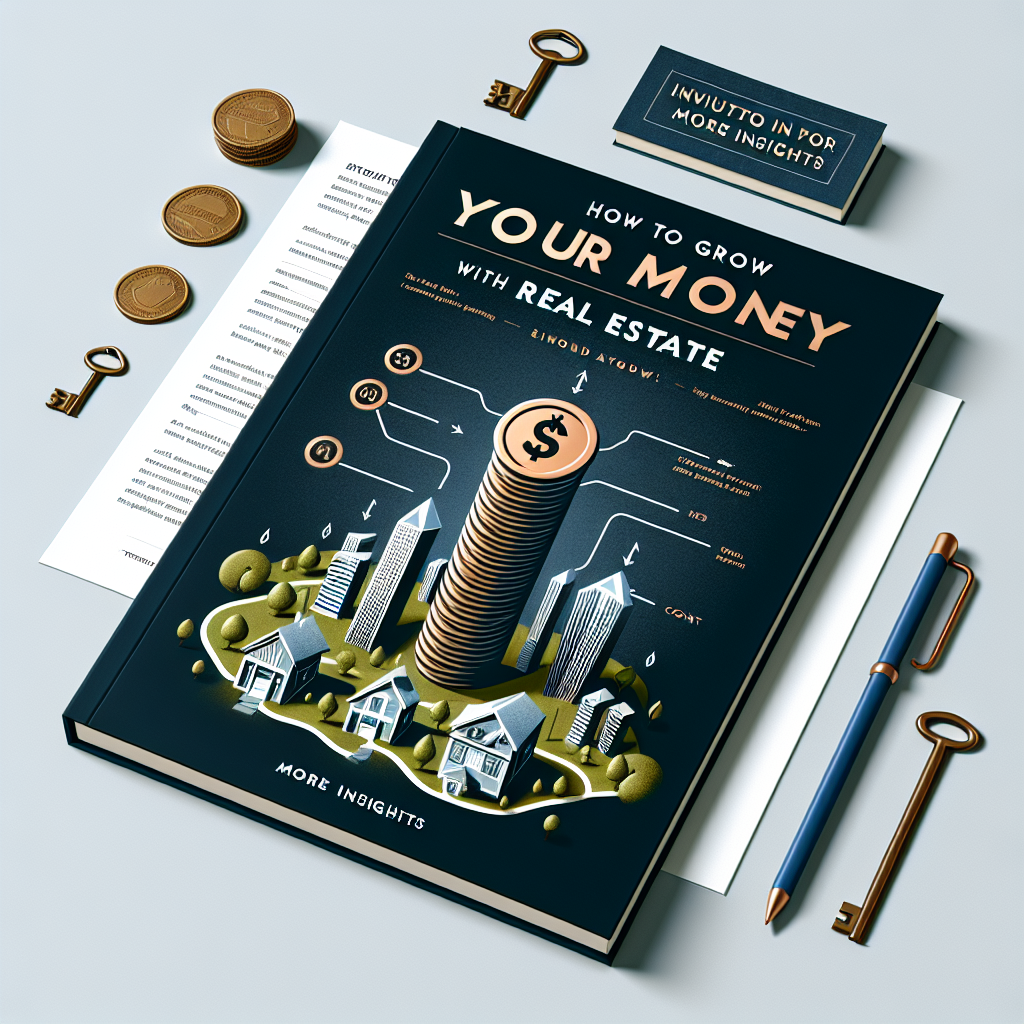
Learn How To Build Wealth With Property
Understanding the Basics of Property Investment
Property investment has long been recognized as a reliable method to accumulate wealth. Unlike other forms of investment, real estate provides a tangible asset that can appreciate over time. The first step in building wealth through property is understanding the various types of real estate investments available, including residential, commercial, and industrial properties. Each category has its unique benefits and risks, making it essential for aspiring investors to conduct thorough research before diving in.
Investing in residential properties, such as single-family homes or multi-family units, typically offers a steady income stream through rental payments. Conversely, commercial properties can yield higher returns but often require more significant capital and expertise. By grasping the fundamentals of property investment, you can make informed decisions that align with your financial goals.
Creating a Strategic Investment Plan
Once you have a solid understanding of the property market, the next step is to develop a comprehensive investment plan. This plan should outline your financial objectives, budget, and the types of properties you wish to target. A well-structured plan acts as a roadmap, guiding you through the complexities of property investment and helping you stay focused on your goals.
Consider factors such as location, market trends, and property management strategies when drafting your plan. Additionally, its crucial to assess your risk tolerance and determine how much capital youre willing to invest. By setting clear objectives and benchmarks, you can measure your progress and make adjustments as needed to optimize your investment strategy.
Navigating the Property Market
With your investment plan in place, its time to navigate the property market. This phase involves sourcing potential properties, conducting market analysis, and performing due diligence. Utilizing online real estate platforms, attending local property auctions, and networking with real estate agents can significantly enhance your chances of finding lucrative investment opportunities.
When evaluating a property, consider factors such as its location, condition, and potential for appreciation. Analyzing comparable sales in the area can provide insights into market value and rental potential. Furthermore, conducting thorough inspections and assessments can help you avoid costly pitfalls down the line. The more informed you are, the better equipped youll be to make sound investment decisions.
Maximizing Returns Through Property Management
Effective property management is vital for maximizing your returns on investment. Whether you choose to manage the property yourself or hire a professional property manager, its essential to maintain the property in good condition and ensure tenant satisfaction. Happy tenants are more likely to renew their leases, reducing vacancy rates and stabilizing your income.
Additionally, consider strategies to increase the value of your property, such as renovations or energy-efficient upgrades. These improvements can attract higher-quality tenants and justify increased rental rates. By prioritizing property management and value enhancement, you can significantly boost your overall wealth-building efforts in the real estate sector.
In conclusion, building wealth with property requires a blend of knowledge, strategic planning, and effective management. By following these steps and continually educating yourself about the property market, you can pave the way toward financial independence and long-term wealth accumulation.
Related Content

Beste Wasmachines En Drogers Voor Senioren In Nederland 2025 – Bekijk De Lijst
Visit Link
Guía De Precios Del Libro Azul 2025 Para Autos Usados En México
Visit Link
Learn About The Best Investments for 2026
Visit Link
Learn What To Invest In For 2026
Visit Link
Learn Top Investment Ideas For 2026
Visit Link
Learn Smart Investment Options for 2026
Visit Link
Learn Where To Invest In 2026
Visit Link
Learn About The Best Investments for 2026
Visit Link
Learn What To Invest In For 2026
Visit Link
Learn Top Investment Ideas For 2026
Visit Link
Learn Smart Investment Options for 2026
Visit Link
Learn Where To Invest In 2026
Visit Link
Learn How To Build Wealth With Real Estate
Visit Link
Unlocking Financial Freedom: Learn Real Estate Wealth Strategies
Visit Link
Learn How Real Estate Grows Wealth
Visit Link
Explore How To Build Wealth With Real Estate
Visit Link
Discover Real Estate Wealth Building
Visit Link
Learn How To Build Wealth With Real Estate
Visit Link
Unlocking Financial Freedom: Learn Real Estate Wealth Strategies
Visit Link
Learn How Real Estate Grows Wealth
Visit Link
Explore How To Build Wealth With Real Estate
Visit Link
Discover Real Estate Wealth Building
Visit Link
Learn How To Build Wealth With Property
Visit Link
How To Build Wealth With Real Estate
Visit Link
How To Invest In Real Estate And Grow Steady Wealth
Visit Link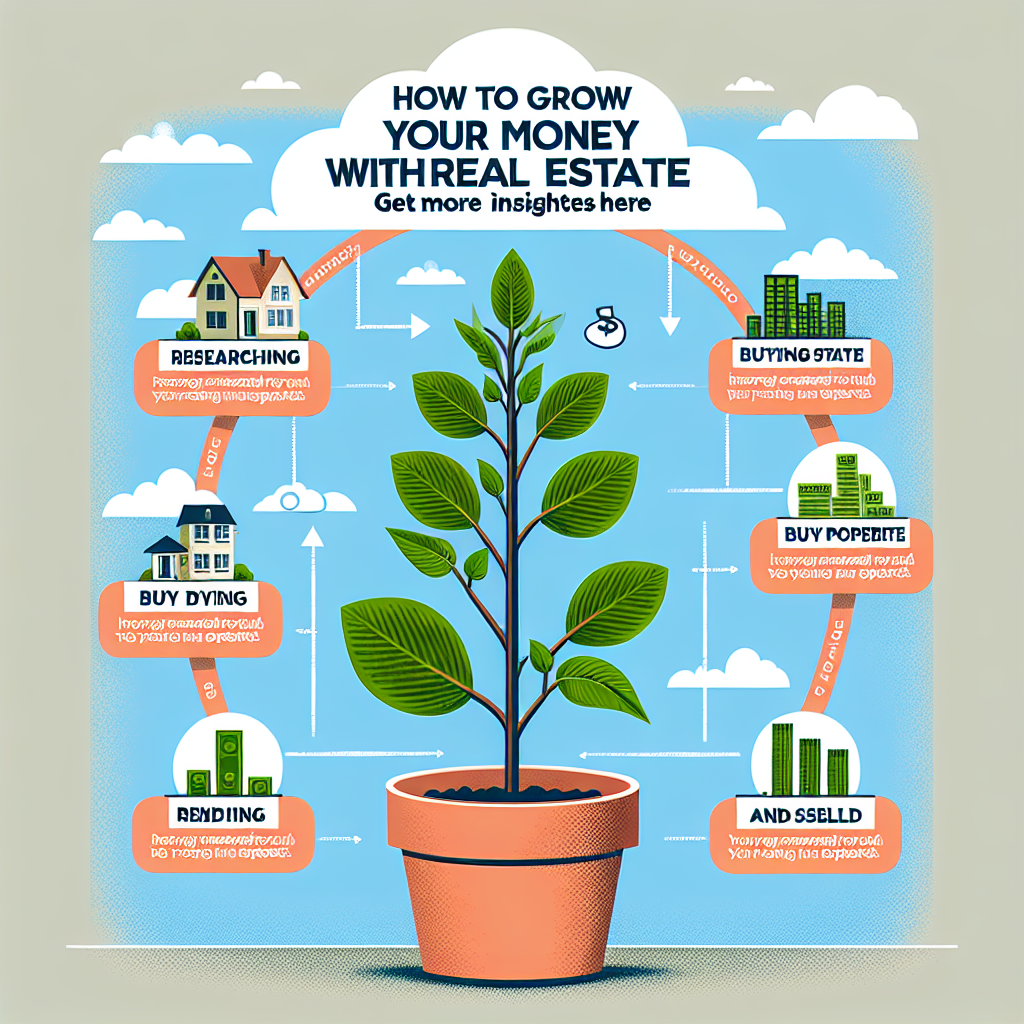
How To Grow Your Money With Real Estate
Visit Link
Learn How To Build Wealth With Property
Visit Link
How To Build Wealth With Real Estate
Visit Link
How To Invest In Real Estate And Grow Steady Wealth
Visit Link